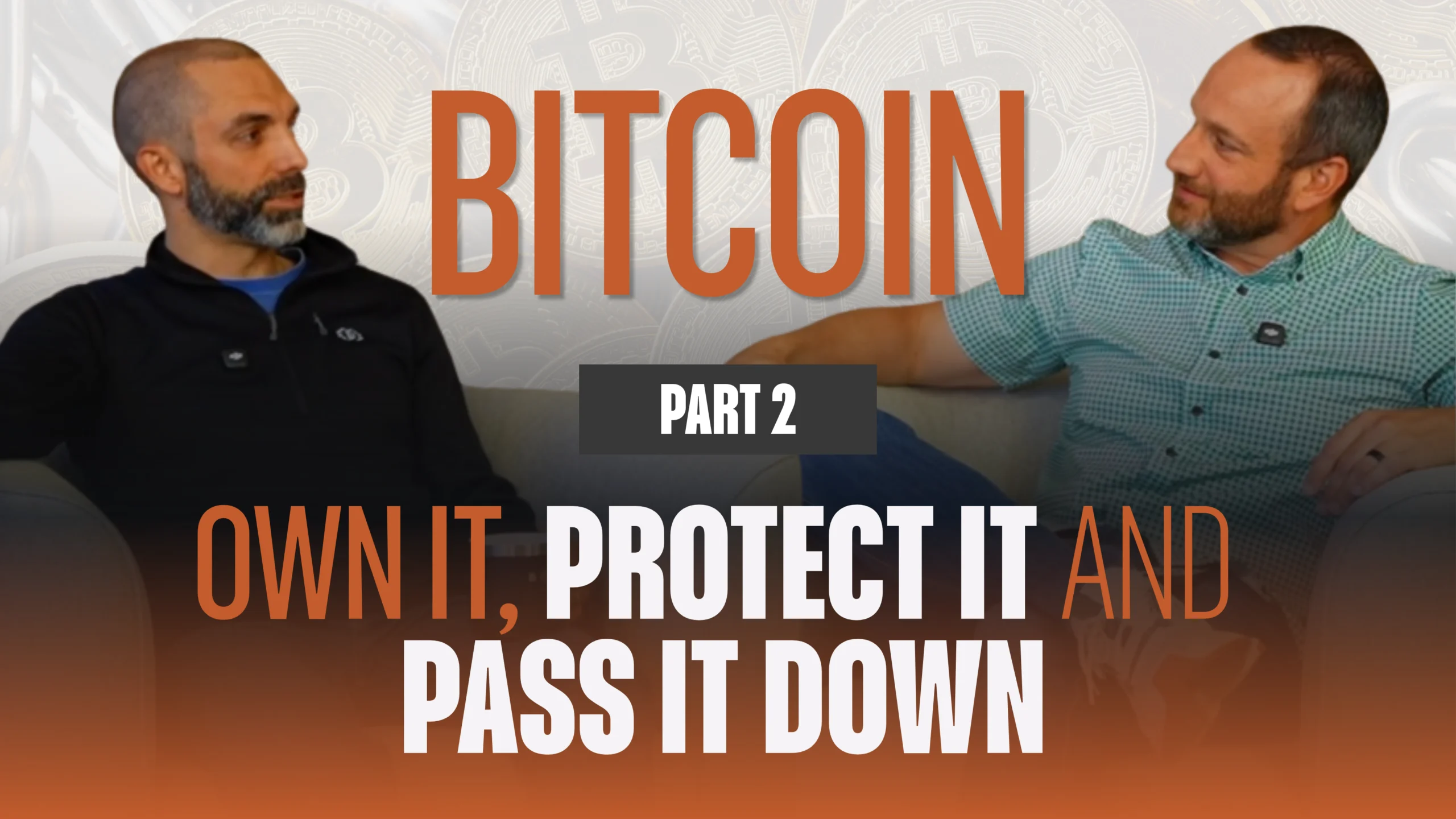
Understanding Bitcoin Part 2: How to Own It, Protect It, and Pass It Down

Buying Bitcoin is one thing.

Actually understanding what you own, how to protect it, and what happens to it if you are no longer around is another.

In Part 1 of this series, we asked a question many investors are quietly considering: Should I buy Bitcoin?

We looked at the risks, the volatility, the potential role Bitcoin could play in a broader investment portfolio, and why cautious investors should approach it with a plan rather than emotion.

But that conversation naturally leads to another question.

What happens after you buy it?

For traditional investments, most of us understand the basic system. You open an investment account. A custodian holds the assets. You receive statements. You name beneficiaries. If something happens to you, there is an established process for transferring those assets. Bitcoin can work differently.

And that difference is one of the reasons understanding Bitcoin matters before you make it a meaningful part of your financial life.

In Part 2 of our conversation, we sat down again with Pasco of Bitcoin Minded to look beyond Bitcoin’s price. We talked about how Bitcoin works, what self-custody actually means, how private keys protect your assets, and why long-term planning becomes especially important when you own Bitcoin directly.

Because owning Bitcoin is not only about whether the price goes up. It is also about control.

Keep reading, or if you prefer to listen or watch… check out the Podcast or full YouTube video.

Understanding Bitcoin Starts With Understanding Money

Before we talk about wallets, private keys, or self-custody, it helps to step back and ask a much simpler question.

What is money?

At its core, money allows us to store the value of our time and work.

You go to work. You earn money. You do not have to immediately trade that work for food, housing, or anything else you need.

Instead, money allows you to store that value and use it later. For most Americans, that means the U.S. dollar.

We earn dollars, save dollars, invest dollars, and measure much of our financial life in dollars.

Bitcoin introduces a different system; it is decentralized digital money.

No single central bank or government controls the Bitcoin network. Its rules are publicly known, and the supply of Bitcoin is capped at 21 million.

For people trying to understand Bitcoin, this is an important place to start. Bitcoin is not simply a technology stock or a digital version of a collectible. It was designed as a monetary network.

That distinction helps explain why many Bitcoin owners eventually begin thinking about it differently than a traditional investment.

They may initially buy Bitcoin because they hope its price increases. Over time, some begin to focus more on what Bitcoin allows them to do:

  • They can hold an asset directly.
  • They can transfer value without waiting for normal banking hours.
  • They can send Bitcoin across borders.
  • And, with the right setup, they can control the asset without relying entirely on a traditional financial institution.

That is where the conversation about ownership begins.

What Does It Mean to Actually Own Bitcoin?

Most investors are used to custodians.

  • Your bank holds your cash.
  • Your brokerage firm holds your investments.
  • Your 401(k) provider administers your retirement account.

We have spent generations building a financial system where third parties hold and manage assets on our behalf.

There are benefits to that system.

  • Forget your password? You can reset it.
  • Lose access to your account? You can call someone.
  • A family member dies? There are established legal and administrative systems designed to help transfer assets.

Bitcoin gives you another option.

It allows for self-custody.

Self-custody means you hold and control your Bitcoin directly rather than relying on an exchange or another company to hold it for you.

A simple comparison is cash.

  • If you have a $100 bill in your wallet, you control it.
  • You do not need to call the bank before spending it.
  • You do not need an institution to approve the transaction.

Gold stored in your own safe works in a similar way. You physically control the asset.

Bitcoin brings that concept into a digital world.

With self-custody, you control the keys that allow Bitcoin to move. That can be incredibly powerful.

It can also create an entirely new set of planning questions.

What Are Bitcoin Private Keys?

One of the most intimidating parts of understanding Bitcoin is the language.

  • Private keys.
  • Seed phrases.
  • Hardware wallets.
  • Multisignature wallets.
  • Nodes.

The terminology can make Bitcoin feel more complicated than it needs to be. The basic concept behind a private key is relatively simple.

Your private keys provide access to your Bitcoin.

In many wallet setups, a recovery phrase can help restore access to a wallet. You may hear people refer to a 12-word or 24-word seed phrase.

That information matters. A lot.

In a simplified setup, someone who gains access to the right private key or recovery information may be able to move the Bitcoin.

At the same time, losing access to your recovery information can create serious problems for you.

This is often where investors become nervous.

  • What if I lose it?
  • What if someone steals it?
  • What if I forget where I put it?

Those are fair questions. But we protect valuable assets every day.

  • We secure our homes with locks and alarm systems.
  • We protect jewelry in safes.
  • We insure vehicles.
  • We use passwords and multifactor authentication to protect financial accounts.

The lesson is not that you should fear owning Bitcoin. The lesson is that you need a thoughtful system for protecting it.

Self-Custody Does Not Have to Mean One Person and One Key

One of the biggest misconceptions about Bitcoin self-custody is that it always looks like one person memorizing 24 words and hoping nothing goes wrong.

That is a very simplified version of Bitcoin security.

More advanced custody structures can reduce what we call a single point of failure.

For example, a multisignature wallet can require more than one key to authorize a Bitcoin transaction.

Think of it like requiring multiple signatures before money can move.

Instead of one key controlling everything, a Bitcoin owner may use a structure where multiple keys exist and a certain number of those keys must approve a transaction.

This can create additional layers of protection.

If one key is lost, that does not automatically mean the Bitcoin is lost.

If someone gains access to one key, that does not automatically mean they can take the Bitcoin.

The specific custody structure matters. So does the owner’s level of knowledge.

This is why self-custody should not be rushed.

  • You can start small.
  • You can learn how wallets work.
  • You can practice transferring a small amount of Bitcoin.
  • You can build your security process as your knowledge and Bitcoin holdings grow.

The goal should not be to become a Bitcoin technical expert overnight. The goal is to understand enough to make intentional decisions.

The Bitcoin Planning Problem Many Investors Miss

Here is where I think the conversation becomes especially important for families.

Let’s say you own Bitcoin and you understand self-custody. You carefully protect your private keys, and create a secure system that works perfectly for you.

Then something happens to you.

  • Does your spouse know you own Bitcoin?
  • Do your children know?
  • Does anyone know how your custody structure works?
  • Would the people responsible for your estate know where to begin?

This is not exclusively a Bitcoin problem.

Families run into similar issues with businesses, real estate, passwords, digital accounts, and other complex assets.

But Bitcoin can make the consequences of poor planning more significant.

Traditional financial institutions have established procedures.

  • A financial advisor can help a surviving spouse locate accounts.
  • An estate attorney can work through probate or trust administration.
  • A custodian maintains records of the assets held in an investment account.

Self-custodied Bitcoin may not come with those same guardrails.

That is part of the trade-off. You gain greater direct control.

You also accept greater responsibility for creating a plan.

Can Your Family Actually Access Your Bitcoin?

Estate planning often focuses on who should receive an asset.

That question still matters with Bitcoin. But Bitcoin owners may need to consider another question.

Can that person actually access it?

Those are two different problems.

Your estate plan may say your son receives your Bitcoin. Great.

  • But does he know the Bitcoin exists?
  • Does he know how it is held?
  • Does he understand the custody structure?
  • Does he have the information necessary to follow the process you created?
  • More importantly, can he access it without exposing the Bitcoin to unnecessary security risks?

Simply writing a seed phrase into a will may create its own problems. Estate planning documents can pass through attorneys, courts, administrators, and other parties.

On the other hand, creating an incredibly sophisticated security system that no one else understands may also create problems.

There has to be a balance between security and accessibility. This is why Bitcoin owners should think about succession planning before a crisis occurs.

The right plan will look different for different families. The important point is to have a plan.

Bitcoin Should Be Part of Your Broader Estate Planning Conversation

One of the themes I return to again and again in financial planning is coordination.

  • Your investment strategy should not live in one silo.
  • Your tax strategy should not live in another.
  • Your estate plan should not sit in a binder untouched for 15 years.
  • Your financial life is connected.

Bitcoin should be treated the same way.

If you own a meaningful amount of Bitcoin, your financial advisor and estate planning attorney may need to understand how you hold it.

That does not necessarily mean handing your private keys to every professional you work with.

It means making sure your planning team understands that the asset exists and that there is a process for handling it.

Your spouse may also need education.

I think this is especially important in families where one person takes the lead on investing or technology.

Maybe you understand Bitcoin. Your spouse does not.

That may work while you are managing everything.

But it can become a serious planning problem if you suddenly become incapacitated or die.

The goal is not to turn every family member into a Bitcoin expert, it is to make sure the plan does not depend entirely on one person’s knowledge.

That is another form of eliminating a single point of failure.

Bitcoin Security Is About More Than Hiding Your Keys

When investors first learn about Bitcoin security, they often focus on secrecy.

  • Hide the seed phrase.
  • Do not tell anyone where it is.
  • Keep everything offline.
  • Security matters.

But secrecy alone is not a complete plan. Imagine building the world’s strongest safe and then never telling your family the safe exists.

You may have successfully protected the assets from theft, but you may have also successfully protected them from your heirs.

Long-term Bitcoin planning requires a more thoughtful approach. You need to consider security while you are alive.

You also need to consider access if you become incapacitated, and you need to consider how ownership or control should transition after your death.

Those questions may involve:

  1. How your Bitcoin is held.
  2. Where critical information is stored.
  3. Who understands your custody structure.
  4. Whether your spouse or heirs need education.
  5. How your estate planning documents address digital assets.
  6. Whether your current security system creates a single point of failure.
  7. And whether the people you trust know who to contact for help.

You do not necessarily need a complicated solution. You need an intentional one.

Planning for Bitcoin Beyond Your Lifetime

As Bitcoin ownership becomes more common, an important question is starting to surface: what happens when the original owner is no longer able to manage it?

That is one of the challenges behind Heir Vault, a project focused on the long-term security and transfer of Bitcoin. The goal is to think through how Bitcoin owners can reduce single points of failure, protect access today, and create a clearer path for a spouse, child, or trusted person in the future.

Multisignature custody can be one part of that process by requiring more than one key to move Bitcoin. That can help reduce the risk of one lost or compromised key creating a major problem.

The broader issue, though, is planning. Protecting Bitcoin is only part of the responsibility. The people you eventually leave it to also need to understand that it exists and have a clear way to access it.

Should You Keep Bitcoin on an Exchange or Use Self-Custody?

This is one of the most common questions new Bitcoin investors ask. The honest answer is that custody involves trade-offs.

Keeping Bitcoin with a custodian or exchange may feel familiar.

  • You have an account.
  • You log in.
  • You may have password recovery options and customer service.

For someone buying a small amount of Bitcoin and learning how the asset works, that simplicity may feel attractive.

Self-custody gives you more direct control.

  • You hold the keys.
  • You do not rely on a third party to maintain access to the Bitcoin.
  • But you also become responsible for protecting those keys and developing a recovery process.

There is no reason to pretend that responsibility does not exist.

One of Pasco’s points during our conversation was that people can take baby steps.

  • You do not have to understand every technical element of Bitcoin before you start learning.
  • You might buy a small amount.
  • Learn how a wallet works.
  • Practice a transaction.
  • Ask questions.
  • Read.
  • Understand the difference between holding Bitcoin through a financial product and directly owning Bitcoin.

Each step builds knowledge. For cautious investors, I think that approach makes a lot of sense.

Do not let fear stop you from learning.

But do not let excitement push you into a custody structure you do not understand.

Bitcoin ETFs and Self-Custody Are Not the Same Thing

The approval and growth of spot Bitcoin ETFs helped bring Bitcoin further into mainstream financial conversations.

For many investors, ETFs offer a familiar way to gain exposure to Bitcoin’s price.

You can hold the investment in a brokerage account. You may be able to include it within an existing portfolio strategy.

You do not have to manage private keys.

But owning a Bitcoin ETF and self-custodying Bitcoin are not the same thing.

An ETF can provide investment exposure to Bitcoin.

You do not directly control the underlying Bitcoin in the same way someone holding their own keys does.

Why does that matter?

It depends on why you own Bitcoin.

If your only goal is to participate in Bitcoin’s price movement, investment exposure may address that goal.

However, if you value Bitcoin because you want the ability to hold and transfer the asset directly, custody becomes a bigger part of the conversation.

This is one reason I hesitate when people ask whether Bitcoin is a good investment without discussing anything else.

  • What are you trying to accomplish?
  • Why do you want to own it?
  • How long do you plan to hold it?
  • How does it fit within the rest of your assets?
  • Do you want price exposure, direct ownership, or both?

The answers should influence your strategy.

Understanding Bitcoin Means Going Beyond the Price

Bitcoin is volatile. That has not changed.

Its price can move quickly, and investors need to understand their timeline and risk tolerance before making a meaningful allocation.

But price is only one part of the Bitcoin conversation. The deeper you go, the more questions you may start asking.

  • How does our current monetary system work?
  • What does it mean to directly own an asset?
  • What role do custodians play in our financial lives?
  • How can value move across borders?
  • What does digital property look like?
  • How do you securely transfer a digital asset to another generation?

You may ultimately decide Bitcoin does not belong in your portfolio.

That is okay.

Understanding Bitcoin does not require becoming a Bitcoin evangelist. I think investors should be able to ask questions, learn how an asset works, understand the risks, and make a decision based on their financial plan.

What I do not think investors should do is dismiss something simply because it feels unfamiliar.

I also do not think they should buy it simply because everyone else seems excited. Education has to come first.

Start With Baby Steps

One of my favorite points from this conversation was simple.

Baby steps.

Bitcoin can be a rabbit hole. You can spend hours reading about mining, monetary policy, the Lightning Network, cryptography, nodes, custody structures, and hardware wallets.

You do not need to learn everything today.

  • Start with one question.
  • Understand what Bitcoin is.
  • Then understand how people buy it.
  • Learn the difference between owning Bitcoin through an investment product and holding Bitcoin directly.
  • Learn what self-custody means.
  • Understand why private keys matter.
  • If you already own Bitcoin, ask yourself whether your spouse or family understands your plan.

Then take the next step.

Pasco created Bitcoin-Minded to help people work through that learning process in a more structured way. Instead of jumping between YouTube videos, social media posts, and conflicting opinions, the goal is to help people build their understanding of Bitcoin step by step.

That educational process matters. Because the bigger your Bitcoin holdings become, the more important your decisions around custody, security, and long-term planning may become.

The Bottom Line: Own Bitcoin With a Plan

Buying Bitcoin may take a few minutes. Planning for Bitcoin can take much more thought.

  • How will you hold it?
  • How will you protect it?
  • Who understands your security process?
  • What happens if you become incapacitated?
  • Can your spouse access it?
  • Can your heirs?
  • Does your estate planning team know the asset exists?

These are not reasons to avoid Bitcoin. They are reasons to approach it seriously.

Bitcoin gives owners an opportunity to control an asset in a way many traditional investments do not.

That control can be powerful. But control without a plan can create risk.

Whether you own Bitcoin today or are still deciding whether it belongs in your portfolio, take the time to understand what ownership actually means.

And as your Bitcoin holdings grow, make sure your financial and estate planning grow with them. Because a successful investment plan should not only help you build wealth.

It should also help you protect what you own and create a clear plan for the people who may eventually inherit it.

And if you are wondering how Bitcoin fits alongside your investments, taxes, retirement strategy, and estate plan, that is where real financial planning begins.

At Bonfire Financial, we help families look at the entire financial picture and build a plan around the life they actually want to live.

Schedule a call with our team to start the conversation.
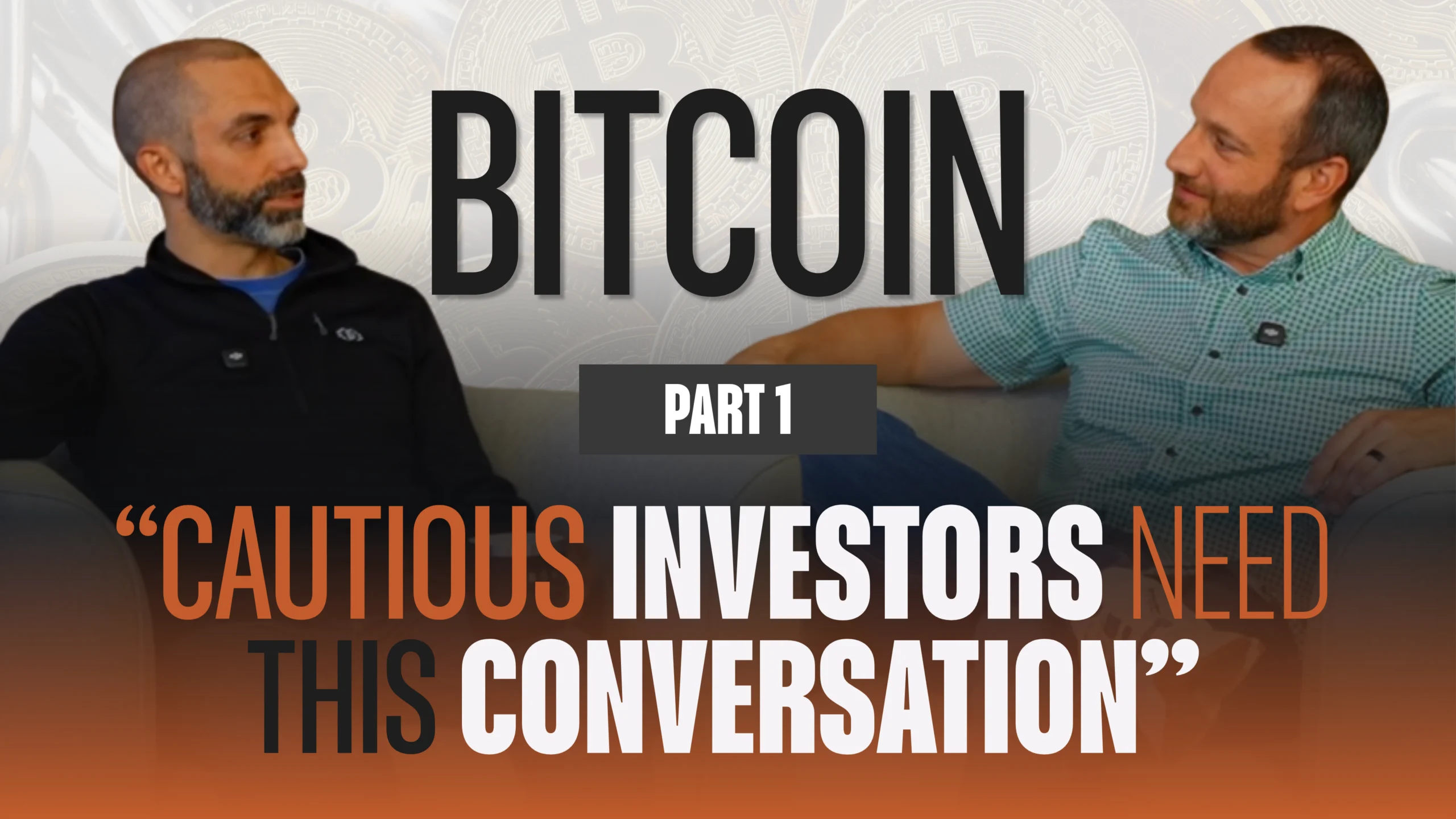
Should I Buy Bitcoin? Part 1: What Cautious Investor Should Know

Should I Buy Bitcoin?

If you have been asking yourself, “Should I buy Bitcoin?” you are not alone. Bitcoin has become one of the most talked-about financial topics of the last two decades, but for many cautious investors, it still feels confusing, volatile, and difficult to evaluate. It started as an obscure digital experiment, traded for less than a penny, and has since grown into one of the largest monetary assets in the world. Some people see it as the future of money. Others see it as speculation. Many smart investors are somewhere in the middle.

They are curious, but cautious.

They have heard about Bitcoin for years, they have watched it move through extreme highs and painful drawdowns. Many have seen friends, coworkers, institutions, companies, and even governments begin to pay attention. But they still have the same honest questions:

  • What actually is Bitcoin?
  • Why does it matter?
  • Is it too risky?
  • How do people store it safely?
  • Is it something that belongs in a serious financial plan?
  • And maybe the biggest question of all: should I buy Bitcoin?

This article is based on Part 1 of a two-part conversation between Brian from Bonfire Financial and Bitcoin educator Pasco.  The purpose of the conversation was not to hype Bitcoin, pressure anyone to buy, or make price predictions. It was to have a simple conversation about what Bitcoin is, how it works, why serious investors are paying attention, and what cautious investors should understand before taking action.

Whether you decide to own Bitcoin or not, understanding it matters. Any asset this volatile, this misunderstood, and this widely discussed should not be approached casually. It needs to fit inside a real financial plan, not a guess, a hunch, or a fear-of-missing-out decision.

Keep reading, or if you prefer to listen or watch… check out the Podcast or full YouTube video.

Why Bitcoin Matters Now

For years, Bitcoin felt like something happening on the fringes of finance. It was associated with tech enthusiasts, early adopters, online forums, and people willing to take unusual risks. But that perception has changed.

Bitcoin has been around since 2009. In that time, it has gone from being ignored by traditional finance to being discussed by financial advisors, institutions, corporations, governments, and retirement-minded investors. The question is no longer simply, “Is Bitcoin real?” Increasingly, the question is, “What role, if any, should Bitcoin play in a modern financial plan?”

Several things have helped bring Bitcoin into the mainstream conversation. The approval of spot Bitcoin ETFs made it easier for traditional investors to gain exposure through familiar investment channels. Institutional adoption brought more legitimacy to the asset class. Corporate balance sheets, sovereign discussions, and regulatory developments have also contributed to the sense that Bitcoin is no longer just an internet novelty.

But mainstream attention does not automatically make something appropriate for every investor.

That distinction matters.

A cautious investor should not buy Bitcoin simply because it is popular. They also should not dismiss it simply because it is unfamiliar. The better approach is to slow down, understand what it is, examine the risks, and then decide whether it fits their goals, timeline, portfolio, and risk tolerance.

What Is Bitcoin?

At its simplest, Bitcoin is decentralized digital money. That phrase sounds simple, but each word matters.

It is digital, meaning it exists electronically rather than as paper bills or physical coins. It is money because people use it to store, send, and transfer value. And it is decentralized because no central bank, government, company, or single authority controls the network.

Most people are used to money being controlled by institutions. Dollars are issued by the government. Bank accounts are managed by banks. Credit card transactions are approved by payment networks. Wires and transfers often require permission, business hours, processing systems, and third parties.

Bitcoin works differently.

The Bitcoin network allows value to be transferred peer-to-peer without relying on a traditional financial intermediary. That does not mean it is simple in every technical detail, but the basic concept is straightforward: Bitcoin is a system for storing and moving value without needing a central authority to approve or control every transaction.

This is one of the reasons Bitcoin is so different from the money most people use every day.

Bitcoin and the Problem of Trust

In the traditional financial system, trust is everywhere.

You trust your bank to hold your money, you trust payment processors to approve transactions and you trust custodians to manage assets. Governments and central banks to maintain the value of currency over time and you trust institutions to keep systems running, maintain access, and follow the rules.

Bitcoin was designed to reduce the need for that kind of trust.

Instead of relying on one central authority, Bitcoin relies on a distributed network. Transactions are verified by participants across the network. The history of transactions is recorded on a public ledger. The rules of the system are transparent, and the supply schedule is known in advance.

That is a very different model than the one most investors grew up with.

For cautious investors, this can feel both empowering and intimidating. On one hand, Bitcoin offers a form of ownership and transfer that does not depend on a bank or central authority. On the other hand, that also means the investor must understand new responsibilities, especially when it comes to security and custody.

Why the Fixed Supply Matters

One of Bitcoin’s most important features is its fixed supply.

There will only ever be 21 million Bitcoin.

That supply cap is central to how many Bitcoin supporters think about the asset. Unlike government-issued currencies, which can be created in larger quantities over time, Bitcoin has a predetermined issuance schedule. New Bitcoin enters circulation through mining, but the amount released over time decreases through a process known as the halving.

Roughly every four years, the block reward paid to miners is cut in half. In Bitcoin’s early years, miners received 50 Bitcoin per block. That reward has declined over time and is now much lower. The next halving is expected in 2028, which will continue reducing the rate at which new Bitcoin is created.

Why does that matter?

Because supply and demand matter in every market.

If an asset has a fixed supply and more people want to own or use it over time, that can create upward pressure on price. That does not mean Bitcoin moves in a straight line. It definitely does not mean there is no risk. But the fixed supply is one of the reasons Bitcoin is often discussed as a potential hedge against currency debasement and long-term inflation.

This is also where Bitcoin becomes interesting to investors who are concerned about the purchasing power of the dollar. If the supply of dollars expands significantly over time, each dollar may buy less in the future. Bitcoin’s supporters argue that a fixed-supply asset offers a different kind of monetary structure.

Again, that does not make Bitcoin risk-free. It simply explains why some investors believe it deserves a place in the conversation.

What Is the Blockchain?

The word “blockchain” gets thrown around constantly, often in ways that make it sound more complicated or more magical than it really is.

In the context of Bitcoin, the blockchain is essentially a ledger.

It is a record of transactions. Transactions are grouped into blocks, and those blocks are linked together in chronological order. Each block contains a batch of transactions, and the chain of blocks creates a historical record of activity on the Bitcoin network.

One helpful way to think about it is as a story that has been written over time. Each new block adds another page to the story. Because the blocks are linked cryptographically, changing the past becomes extremely difficult. The network is designed so that the history of transactions can be verified by participants rather than trusted blindly.

That is part of what makes Bitcoin powerful. It is not just that transactions happen digitally. It is that the system creates a transparent, verifiable history of those transactions without depending on one central recordkeeper.

For the average investor, you do not need to understand every technical detail of cryptography to understand the basic idea. The blockchain is the public ledger that records Bitcoin transactions and helps the network maintain integrity.

What Is Bitcoin Mining?

Bitcoin mining is another term that can confuse people.

Mining does not mean people are digging digital coins out of the ground. It refers to the process by which transactions are processed, blocks are added to the blockchain, and new Bitcoin enters circulation.

Miners use specialized computers to perform work for the network. Their job is to process transactions and compete to add the next block. This process is called proof of work.

Miners are rewarded for successfully adding blocks to the chain. They may receive newly issued Bitcoin, along with transaction fees. Over time, as the block reward continues to decline through halvings, transaction fees are expected to become a more important part of miner compensation.

Mining is important because it helps secure the network. It makes it costly to attack the system and helps ensure that the transaction history remains reliable.

For cautious investors, the key takeaway is this: mining is part of the infrastructure that allows Bitcoin to function without a central authority. It is one of the mechanisms that keeps the network operating and secure.

On-Chain Transactions and the Lightning Network

Bitcoin can be used in different ways.

An on-chain transaction is a transaction recorded directly on the Bitcoin blockchain. This is often compared to a wire transfer, although the comparison is imperfect. On-chain transactions can be highly secure, verifiable, and final, but they may not be ideal for every small everyday purchase.

The Lightning Network is a separate layer built on top of Bitcoin that allows for faster and cheaper transactions. It is often discussed as a way to make small Bitcoin payments more practical. For example, buying coffee with Bitcoin would be more realistic over Lightning than through an on-chain transaction.

The distinction matters because many people misunderstand Bitcoin’s usability. They may assume that Bitcoin is only a slow, clunky settlement system. Others may assume it is already perfect for every payment use case. The reality is more nuanced.

Bitcoin’s base layer is designed for security and final settlement. Layers like Lightning can improve speed and lower costs for smaller transactions.

For investors, this matters because Bitcoin is not only discussed as a price speculation. It is also a monetary network with different layers and use cases.

Self-Custody: What It Means and Why It Matters

One of the biggest ideas in Bitcoin is self-custody.

Self-custody means you hold your own Bitcoin rather than relying on an exchange, bank, or third-party custodian to hold it for you.

In the traditional financial system, most people are used to custodians. A bank holds your cash. A brokerage custodian holds your investments. A retirement plan provider administers your account. If something goes wrong, there is usually a customer service number, a password reset process, or some institutional backstop.

Bitcoin changes that.

If you self-custody Bitcoin properly, you have direct control. No bank has to approve your transaction, no exchange has to grant access, and no institution is holding the asset on your behalf.

That is powerful, but it also comes with responsibility.

If you lose access to your private keys or seed phrase, you may permanently lose access to your Bitcoin. If someone steals that information, they may be able to take your Bitcoin. Unlike a fraudulent credit card charge, there may be no simple reversal process.

This is one of the most important things cautious investors need to understand. Bitcoin gives people more control, but it also requires better education and security.

“Not Your Keys, Not Your Coins”

The phrase “not your keys, not your coins” is common in the Bitcoin world.

It means that if you do not control the private keys to your Bitcoin, you are relying on someone else to give you access. If your Bitcoin sits on an exchange, you may have price exposure, but you do not have the same level of direct ownership as someone who controls their own keys.

This became especially important after major failures in the crypto industry, including exchange collapses that left customers unable to access funds. The lesson for many investors was clear: leaving assets on an exchange can create third-party risk.

That does not mean every investor must immediately self-custody everything. It does mean investors should understand the trade-offs.

Using an exchange may feel easier, especially for beginners. Self-custody can provide greater control, but it requires education, planning, and good security practices. Some investors may use a combination of approaches. Others may work with professionals to build a custody process that reduces single points of failure.

The main point is not to rush. The main point is to understand what kind of ownership you actually have.

The Real Risks of Bitcoin

Bitcoin is not risk-free.

Any honest conversation about Bitcoin must include the risks. For cautious investors, this is where the conversation becomes especially important.

  1. The first major risk is volatility. Bitcoin can move dramatically in short periods of time. It has experienced large drawdowns in the past, and there is no reason to assume volatility will disappear completely. An asset that can move significantly in a week, month, or year must be sized appropriately.
  2. The second risk is custody. If you self-custody Bitcoin and make a serious mistake, the consequences can be permanent. Lost keys, poor storage, scams, and security errors can result in irreversible loss
  3. The third risk is emotional decision-making. Bitcoin attracts hype. Investors may be tempted to buy aggressively after a big price increase, then panic during a decline. That kind of behavior can turn a potentially strategic allocation into a gambling experience.
  4. The fourth risk is regulatory uncertainty. Bitcoin has become more mainstream, but regulation can still evolve. Investors should pay attention to how rules, reporting requirements, custody standards, taxation, and investment product access may change over time. Bitcoin has become more accepted, but that does not mean the regulatory environment is finished evolving.
  5. The fifth risk is scams and misinformation. Because Bitcoin is technical and still unfamiliar to many people, bad actors often take advantage of beginners. Fake investment platforms, phishing links, fraudulent wallet support, impersonators, and “guaranteed return” offers are all real dangers. If someone is promising a risk-free way to make money with Bitcoin, that should be a major red flag.
  6. The sixth risk is overconfidence. Some investors hear the Bitcoin story, understand the fixed supply, see the historical performance, and immediately want to go all in. That can be dangerous. Even if someone believes Bitcoin has long-term potential, that does not mean it should dominate their portfolio. A good investment can still become a bad decision if it is oversized, misunderstood, or purchased for the wrong reasons.

This is why Bitcoin should be approached with humility. It may have a place in a portfolio, but it should not replace a real financial plan.

Volatility Is Not a Side Note

One of the most important things cautious investors need to understand before buying Bitcoin is volatility.

Bitcoin can move dramatically. It has had periods of extraordinary growth, but it has also experienced sharp drawdowns. For investors used to traditional portfolios, those swings can feel intense.

Volatility does not automatically mean Bitcoin is bad. Many long-term assets experience volatility. Stocks, real estate, oil, and other assets can all move up and down. But Bitcoin’s volatility can be especially difficult because the asset trades around the clock, is heavily discussed online, and often attracts emotional behavior.

That creates a real behavioral challenge.

It is one thing to say, “I am a long-term investor,” when the price is rising. It is another thing to remain disciplined when the price is down significantly and every headline feels negative.

This is where planning matters.

Before buying Bitcoin, investors should ask themselves:

  • How would I feel if this dropped 30 percent?
  • How would I feel if it dropped 50 percent?
  • Would I panic sell?
  • Would this affect my retirement plan?
  • Would I still be able to meet my income needs?
  • Would I be tempted to buy more at exactly the wrong time because of fear of missing out?

These questions are not meant to scare people away. They are meant to help investors be honest.

If a Bitcoin position is sized correctly, volatility may be tolerable. If it is too large, volatility can take over the entire financial plan.

Bitcoin as Part of a Portfolio

When people ask, “Should I buy Bitcoin?” they often want a simple answer.

Yes or no.

But for serious investors, the better answer is usually more nuanced.

Bitcoin should not be evaluated in isolation. It should be evaluated in the context of a full financial plan.

That means looking at your income, expenses, retirement timeline, cash reserves, tax situation, existing investments, real estate, business interests, estate plan, and risk tolerance. Bitcoin may be interesting, but it is still only one piece of the bigger picture.

For some investors, Bitcoin may serve as a small alternative asset allocation. And for others, it may not be appropriate at all. For some, the best first step may be education before any purchase is made.

The key is position sizing.

A small allocation may allow an investor to participate in Bitcoin’s potential upside without putting the entire plan at risk. A large allocation can create stress, concentration risk, and emotional decision-making.

This is especially important for people nearing or already in retirement. When you are still working and accumulating assets, you may have more time to recover from volatility. When you are depending on your portfolio for income, large swings can have a bigger impact.

That does not mean retirees can never own Bitcoin. It means the decision requires more care.

Bitcoin should fit the plan. The plan should not bend around Bitcoin.

The Problem With FOMO Buying

One of the most dangerous ways to buy Bitcoin is through FOMO. The fear of missing out is powerful. Bitcoin has had massive price moves in the past, and many people know someone who bought early and did well. That creates a feeling of urgency.

But urgency is not the same as wisdom.

When investors buy because they feel late, rushed, or embarrassed that they missed earlier opportunities, they often make poor decisions. They may buy too much, buy at emotionally heated moments, or fail to understand custody.  A cautious investor should resist the pressure to act before understanding.

There will always be another headline or another price prediction. Just as there will always be someone online saying Bitcoin is going much higher or going to zero.

None of that replaces a plan.

The better approach is to slow down and ask:

  • What do I actually understand?
  • What am I still confused about?
  • What would I be buying?
  • Why would I be buying it?
  • How much would be appropriate?
  • How would I hold it safely?
  • What would cause me to sell?
  • How does this fit with the rest of my financial life?

If you cannot answer those questions, the next step may not be buying Bitcoin. The next step may be learning more.

How to Start With Bitcoin the Right Way

For cautious investors who decide they want to take the next step, the best approach is usually not to go all in.

A better approach is to start with education.

Learn what Bitcoin is, how it is different from other cryptocurrencies.  Take the time to understand how the network works at a basic level. Learn what self-custody means, what private keys are and what exchanges do. Be aware of how scams work. Learn how taxes may apply and how volatility can affect your behavior.

Then, if Bitcoin still makes sense, start small.

Starting small allows investors to get familiar with the process without putting meaningful wealth at risk. It also gives them time to learn the practical side of Bitcoin ownership.

Some investors may choose to buy through a reputable, regulated exchange. Others may use Bitcoin ETFs for exposure inside traditional accounts. Others may eventually explore self-custody with a hardware wallet. Each approach has trade-offs.

Buying through an exchange may be easy, but it introduces third-party custody risk if the Bitcoin is left there.

Using an ETF may be convenient inside a brokerage or retirement account, but it is not the same as holding Bitcoin directly.

Self-custody may offer more control, but it requires more education and responsibility.

The right path depends on the investor.

The important thing is to understand what you are doing before moving large amounts of money.

What Is Self-Custody?

Self-custody means holding your own Bitcoin rather than relying on a third party to hold it for you.

In traditional finance, people are used to custodians. Banks hold cash. Brokerage firms hold investments. Retirement account providers hold assets. If you lose a password, you can usually reset it. If there is fraud, there may be processes to dispute or reverse transactions.

Bitcoin works differently.

If you hold your own Bitcoin, you control the keys that allow the Bitcoin to move. That control is powerful because it means no bank, exchange, or institution has to give you permission. But it also means you are responsible for protecting access.

That is why self-custody is both one of Bitcoin’s greatest strengths and one of its biggest learning curves.

A hardware wallet is one common tool for self-custody. It helps keep private keys offline and away from many online threats. But even with a hardware wallet, the investor must properly secure the recovery phrase. If that phrase is lost or stolen, the Bitcoin may be gone permanently.

This is where cautious investors need to be especially careful.

Investors should not rush into self-custody. Start by learning how it works, practicing with small amounts, and documenting the process carefully. Families should also coordinate self-custody with their estate plan.

When one spouse understands Bitcoin but the other does not, access and continuity can become a planning problem. Heirs also need clear instructions, because confusion after death or incapacity could leave the Bitcoin unreachable. Careless storage of recovery information creates a separate security risk and can put the asset in danger.

Bitcoin custody is not just a technical issue. It is a financial planning issue.

Not Your Keys, Not Your Coins

One of the most common phrases in Bitcoin is “not your keys, not your coins.”

The idea is simple. If someone else controls the keys, you are depending on them. You may have a claim on Bitcoin, but you do not have the same kind of direct control as someone who holds their own keys.

This became especially clear after the collapse of major crypto platforms. Many people believed they owned assets safely because they could see balances on a screen. But when the platform failed, they learned that access and ownership were more complicated than they realized.

That does not mean every investor must immediately self-custody everything. It does mean investors should understand the difference between exposure and control.

  • A Bitcoin ETF can provide price exposure.
  • An exchange account can provide convenient access.
  • Self-custody can provide direct control.

Each option has benefits and risks.

The right answer depends on the investor’s goals, technical comfort, account structure, estate plan, and risk tolerance. But no investor should confuse convenience with safety or assume that all forms of Bitcoin ownership are the same.

Dollar Cost Averaging and Taking Baby Steps

For cautious investors, dollar cost averaging may be worth considering.

Dollar cost averaging means buying a fixed dollar amount at regular intervals rather than investing one large lump sum all at once. This approach can help reduce the emotional pressure of trying to perfectly time the market.

With Bitcoin, this can be helpful because price swings can be dramatic. Someone who invests a large amount all at once may feel immediate regret if the price drops. Someone who builds a position gradually may have more time to learn, adjust, and remain disciplined.

Dollar cost averaging does not remove risk. It does not guarantee profit. It does not prevent losses.

But it can help investors avoid making one emotional, all-or-nothing decision. It also lines up with one of the most important themes from the conversation: baby steps.

You do not need to understand every technical detail on day one. Nor do you need to buy a large amount, and  you do not need to become a Bitcoin expert overnight.

  • You can start by learning.
  • You can ask questions.
  • You can understand the risks.
  • You can get familiar with the tools.
  • You can decide whether a small allocation makes sense.

That is a much healthier path than rushing in because a price chart looks exciting.

The Biggest Mistakes Beginners Make

Many Bitcoin mistakes happen early.

  1. The first mistake is buying without understanding. This is common. Someone hears about Bitcoin, sees the price moving, and buys before they know what it is. That creates emotional ownership instead of informed ownership.
  2. The second mistake is buying too much. Even if Bitcoin has long-term potential, an oversized position can create stress and lead to bad decisions.
  3. The third mistake is leaving Bitcoin on an exchange without understanding the risk. Exchanges can be useful, especially for beginners, but leaving assets there indefinitely can introduce third-party risk.
  4. The fourth mistake is mishandling self-custody. Some people move too quickly into wallets and keys without understanding how recovery works. That can be dangerous.
  5. The fifth mistake is falling for scams. Bitcoin transactions are irreversible. If someone tricks you into sending Bitcoin, there may be no way to get it back. This makes skepticism essential.
  6. The sixth mistake is confusing Bitcoin with every other crypto asset. Bitcoin is often grouped into the broader crypto category, but it has unique characteristics, history, network effects, and monetary properties. Investors should understand exactly what they are buying.
  7. The seventh mistake is failing to connect Bitcoin to a financial plan. Bitcoin should not be a side bet that lives outside the rest of your financial life. It should be evaluated alongside everything else you own.

Should I Buy Bitcoin?

So, should you buy Bitcoin?

The honest answer is: maybe.

That may not be the exciting answer, but it is the responsible one.

Bitcoin may make sense for some investors. It may not make sense for others. For many people, the right answer may be to learn first and decide later.

Before buying Bitcoin, a cautious investor should be able to answer a few basic questions:

  • Do I understand what Bitcoin is?
  • Do I understand why it has value to some people?
  • Do I understand the fixed supply?
  • Do I understand the volatility?
  • Do I understand custody risk?
  • Do I know how I would buy it?
  • Do I know how I would hold it?
  • Do I know how much I would buy?
  • Do I know why that amount fits my plan?
  • Do I know what would make me sell?
  • Do I know how this affects my taxes and estate planning?

If the answer to most of those questions is no, then buying Bitcoin may not be the right first step.

Learning may be the right first step.

The goal is not to avoid Bitcoin out of fear. The goal is to avoid making an uninformed decision.

Why a Fiduciary Perspective Matters

Bitcoin is one of those topics where incentives matter.

There are many people online who want you to buy something, trade something, click something, or believe something. Some may be sincere. Others may be compensated in ways that are not obvious.

For cautious investors, that matters.

A fiduciary financial advisor is required to put your interests first. That does not mean every advisor understands Bitcoin deeply. But it does mean the conversation should begin with your financial life, not with someone else’s sales pitch.

A fiduciary conversation about Bitcoin should include risk, position sizing, taxes, custody, estate planning, retirement income, liquidity, and your broader goals.

  • It should not be based on hype.
  • It should not be based on fear.
  • It should not be based on what someone on the internet says will happen next.
  • It should be based on your plan.

That is especially important for investors near retirement or already retired. A bad Bitcoin decision may not just affect a brokerage account. It could affect income planning, withdrawal strategies, family wealth, charitable goals, and peace of mind.

This is why Bitcoin should be discussed with seriousness. Not as a trend, a lottery ticket, or as a guaranteed answer, but as a volatile, important, misunderstood asset that may or may not belong in a thoughtful financial plan.

Final Thoughts: Learn First, Then Decide

If you have been asking, “Should I buy Bitcoin?” the best first step is not to rush into a yes or no answer. The best first step is to understand what Bitcoin is, how it works, what risks come with it, and whether it has a place in your broader financial plan.

Bitcoin is decentralized digital money with a fixed supply, a global network, and a very different structure than the traditional banking system. That is exactly why it has become such an important financial conversation. But Bitcoin is also volatile, custody matters, scams exist, regulation can evolve, and emotional decision-making can lead to real mistakes.

For cautious investors, the right approach is not hype. It is education.

That is why Pasco created Bitcoin Minded, a self-paced course designed to help people learn Bitcoin in a structured, plain-English way before making decisions.

bitcoin minded

And this conversation is not over. Be sure to stay tuned for Part 2 next week, where Brian and Pasco continue the discussion and dive deeper into how Bitcoin may fit inside a real financial plan, including risk, custody, position sizing, and the practical steps investors should understand before taking action.

Whether you decide to own Bitcoin or not, understanding it matters. And if you do decide to buy, make sure it is part of a plan. Not a guess.

The End of the Penny and What It Means for The Future of Money

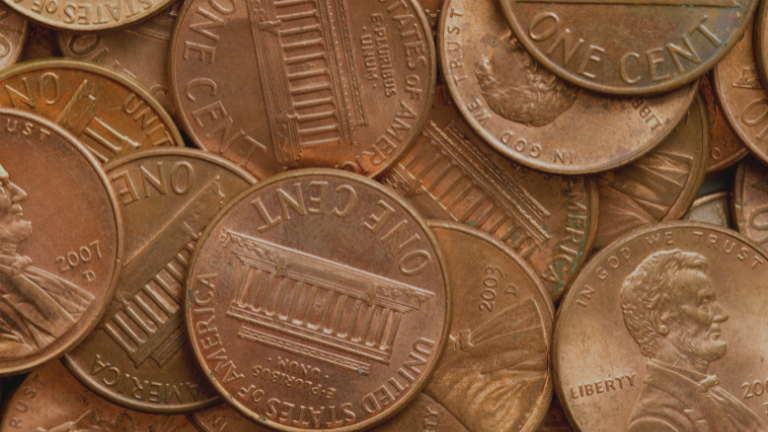
The future of money is changing. The penny has officially met its end. For the first time since 1793, the United States minted its final one-cent coin. While the penny may be small, what it represents is anything but. The decision to stop producing the penny is a perfect example of how money changes, adapts, and evolves as society evolves. It is a reminder that the things we consider permanent are sometimes anything but.

Today we will explore what the death of the penny means, why it happened, and how this simple moment fits into a much larger story about the future of money.

If you care about what is happening with your money, how it might change over the coming years, and what steps you can take now to stay ahead, you are in the right place.

Listen Now: iTunes | Spotify | iHeartRadio | Amazon Music

RIP Penny:  What it means for the future of money

On November 12, 2025  the United States Mint produced the very last penny that will ever be stamped in America. For most people, this news might pass by without much thought. After all, how often do any of us use a penny anymore? You might have a few sitting in a junk drawer or rattling around in your car console. You might occasionally dump them into a Coinstar machine if you still keep a jar of change. But when is the last time you paid for something using pennies?

The truth is simple. The penny has stopped matching the world we live in.

Here are the key facts that led to its demise:

It costs more to make a penny than it is worth.

The United States government spent about four cents to create one penny. That is a losing proposition from every direction, especially in a world with rising national debt and rising costs of production.

Stopping penny production saves real money.

Estimates show that discontinuing the penny will save the government up to 56 million dollars annually. That is not a small number.

Its practical use is nearly zero.

Most Americans do not use pennies in everyday transactions. Retailers increasingly round to the nearest five cents. Cash payments are dropping. Digital transactions have taken over.

Inflation eliminated its buying power.

There was a time when a penny could buy something. There was a time when five or ten cents could get you into a movie theater. Today, a penny does not buy anything. Inflation has slowly erased its value.

All of this makes the penny a symbol. Its retirement is not just a cost cutting measure. It is a sign that money is changing and the systems around money are changing with it. It is the perfect starting point for a larger conversation about the future of money.

Looking Back: A Short History of the Penny and Why It Lasted So Long

The United States penny began in 1793. That means it survived through the birth of the country, the Civil War, the Industrial Revolution, the rise of automobiles, the invention of the internet, and countless cultural and technological shifts.

So why did the penny persist for so long?

Tradition

Americans love tradition. The penny is familiar. It reminds people of childhood piggy banks, luck, sayings, and small rituals like picking up a penny for good fortune.

Habit

Once a system is in place, it often stays in place simply because change is uncomfortable or inconvenient.

Sentiment

Abraham Lincoln sits on the face of the penny. There was resistance for decades from people who felt strongly about maintaining a coin representing such an influential historical figure.

Inertia

Government decisions are slow, and the process of adjusting currency systems takes time.

Despite all of that, the economics finally won. If something costs more to produce than it is worth, eventually the math forces the conversation. Inflation and rising material costs made this inevitable.

The penny had a long, respectable run, but the world moved faster than it could.

The Symbolism Behind the End: What It Reveals About the Future of Money

Removing the penny is not just a financial decision. It is a window into something much bigger. The future of money is not fixed. It is not stationary. It is evolving constantly, and we are in the middle of one of the biggest financial transitions in modern history.

Money has always changed forms:

• It started with bartering
• Then came precious metals
• Then came coins
• Then paper money
• Then checks and cards
• Then online banking
• Now digital payments
• And finally, digital assets and cryptocurrencies

The end of the penny is one more chapter in that story.

It signals a turning point. We are slowly leaving behind the age of physical currency. Coins and paper are becoming less central to everyday life. Cash is still useful in some situations, but most people rarely carry it.

Instead, most transactions happen through:

• Cards
• Phones
• Online platforms
• Digital wallets
• Bank transfers
• Crypto exchanges
• Peer to peer payment apps

The penny is disappearing because the world that required physical currency is disappearing with it.

Inflation, Value, and What a Penny Used to Mean

One reason the penny became irrelevant is inflation. In 1910, a penny could buy something. In 1940, a handful of pennies could buy a soda. In 1960, kids bought candy with pennies. But each decade pushed the buying power of one cent lower and lower.

Inflation is a slow, sometimes invisible force. It pushes the cost of everything upward and pushes the purchasing power of currency downward.

The penny is a real world example, visible to everyone, of what inflation does over time. As money changes, as prices move, and as society advances, currency must adapt.

This idea is central to understanding the future of money.

  • Inflation forces evolution.
  • Technology accelerates evolution.
  • Consumer behavior seals it.

The penny became a victim of all three.

The Real Cost of Creating Money and Why Efficiency Matters

Most people never think about the cost of producing currency. It feels like something that simply exists. But physical money requires real materials, real labor, and real energy. Coins require metal and manufacturing. Paper money requires printing and distribution.

When the cost of creating a unit of currency exceeds its value, a problem emerges. The penny is the clearest example of that economic mismatch.

For decades, economists pointed out how wasteful the penny was. Each year, millions of dollars were poured into production even though the coin contributed nothing useful to the economy.

Ending penny production is a perfect case study in financial efficiency. If something is not working, not useful, and unnecessarily expensive, it eventually needs to be removed.

This same logic applies when thinking about the evolution of digital money. Efficiency matters. That principle drives innovation in everything from payment systems to cryptocurrencies.

Rounding Up, Rounding Down, and Daily Life Without Pennies

Will daily life change without pennies? Probably not much.

Many other countries stopped using one cent coins and transitioned smoothly:

• Canada
• Australia
• New Zealand
• Several European countries

Retailers simply round up or down to the nearest five cents during cash transactions. Digital payments remain exact.

Studies show that rounding neither helps nor harms consumers overall. It averages out and becomes an invisible part of pricing.

The reality is simple. Most people will not even notice that pennies are gone.

The symbolic meaning, however, is noticeable. It is one more reminder that we are quietly moving into a new era of money. The future of money is becoming lighter, faster, and more digital.

From Silver Coins to Clipped Edges: A Story of Money Changing Throughout History

Before the penny became too expensive to produce, there were other times in history when money had to evolve.

For example, certain coins have ridges along the edges. These ridges were originally created to prevent people from clipping off small pieces of precious metal. When coins were made from silver or gold, some people shaved tiny amounts off the edges, collected them, and still spent the full coin.

The ridges stopped that.

It is a small detail that reveals something important. Whenever money is valuable, people will find creative ways to manipulate it. Whenever money is vulnerable, systems must adapt.

Money never stays the same.

Coins were eventually made from cheaper materials. Paper money replaced large amounts of metal. Credit cards replaced wallets full of cash. Digital payments replaced checks. QR codes are replacing swipe machines.

Every major shift happened because something became inefficient or outdated. The penny is simply the next example.

The Digital Revolution: How Technology Is Redefining the Future of Money

The biggest force shaping the future of money is technology.

Technology made payments faster, simpler, safer, and more immediate. Today we can transfer money across the world in seconds. We can buy groceries without touching a keypad. We can invest without calling a broker. We can check account balances from our phone.

Here are the major digital shifts happening now:

1. Mobile wallets are becoming the standard.
Apple Pay, Google Pay, Samsung Pay. Millions of people no longer reach for a wallet at all.

2. Peer to peer payments are normal.
Zelle, Venmo, Cash App. Splitting dinner bills has never been easier.

3. Online banking has taken over.
Branches are closing because the demand simply is not there.

4. Cards are becoming contactless.
Tap to pay is now more common than inserting a chip.

5. International transfers are cheaper and faster.
Digital platforms outperform banks.

6. Cryptocurrencies introduced a new model of value exchange.
Bitcoin created a decentralized store of value. Stablecoins introduced digital currency that can mimic the dollar.

7. Businesses accept digital payments automatically.
Whether you are paying rent, buying a coffee, or ordering from Amazon, you rarely use cash.

All of this leads to one conclusion. The penny was not built for this world. Physical coins were not built for the pace of modern money. The future of money is digital because life is digital.

Bitcoin, Crypto, and Why They Matter in the Conversation About Money

You cannot talk about the evolution of money without talking about Bitcoin.

Bitcoin is not just a digital currency. It is a new way of thinking about value. It introduced the idea of currency that does not rely on a government, does not inflate endlessly, and cannot be counterfeited.

This does not mean every cryptocurrency has value. In fact, many are questionable. But Bitcoin introduced the idea of digital scarcity. It created a decentralized network where no government or company controls the system.

So what does Bitcoin have to do with the penny?

Both reveal the same truth. Money is always evolving. The penny shows how physical money is becoming outdated. Bitcoin shows where some parts of money may be heading next.

More people are becoming open to digital assets. Large institutions are adopting Bitcoin as part of their investment strategy. Younger generations are growing up with digital payment systems instead of physical cash. In many ways, Bitcoin is not a futuristic idea anymore. It is part of the financial present.

For anyone thinking about the future, understanding Bitcoin is becoming essential.

Why the Dollar Is Not Backed by Gold and Why That Matters

For many decades, the United States dollar was backed by gold. That meant every dollar represented a specific amount of gold stored in a vault. In 1971, the United States ended the gold standard. From that point forward, the dollar became what is known as a fiat currency.

Fiat currency gets its value from the belief that the government guarantees it. The dollar is worth one dollar simply because the United States says it is. This system works, but it also means the government can print more money in response to economic needs.

Printing more money can help during recessions, stimulate the economy, and fund government programs. But it also creates inflation, which reduces purchasing power over time.

This is another reason the penny lost value. Inflation gradually erased its buying power until it became useless.

Understanding this helps us understand why people are curious about digital currencies like Bitcoin. Bitcoin cannot be printed or inflated. There is a fixed supply, which is why people sometimes refer to it as digital gold. Whether Bitcoin becomes a permanent part of the financial system or not, it represents a pushback against inflation and an alternative to fiat currency systems.

This is one more element shaping the Future of Money.

How Financial Behavior Is Changing and What It Means for Your Wallet

Consumers are changing the way they interact with money. These changes have serious implications for the future.

Cash is fading.
Many people simply do not carry cash anymore.

People expect instant access.
Real time banking and instant transfers are becoming standard.

Consumers prefer automation.
Automatic bills, automatic savings, automatic investing.

People want transparency.
They want to know where their money is and how it is working for them.

Digital tools are improving literacy.
Apps that track spending, budgeting systems, and investment platforms have made financial education more accessible.

All of these trends push financial systems to evolve. The penny could not survive this new environment. Other parts of the financial world will evolve too. The Future of Money will be shaped by convenience, technology, and consumer expectations.

How Businesses Are Preparing for a Less Physical Future

Companies are deeply aware of the direction money is moving. The rise of digital payments has changed how retailers operate.

Here are the biggest shifts businesses are making:

• Installing tap to pay systems
• Reducing cash registers
• Increasing automated checkout
• Adding QR code payments
• Offering online payment portals
• Exploring blockchain based invoicing
• Reducing the cost of cash handling
• Rounding prices to eliminate coin dependency

These changes make commerce faster and more efficient. They also make the penny unnecessary.

Businesses will continue moving toward digital systems because digital systems cost less and function better.

The Fear of Change and Why New Money Systems Feel Scary

Most people are not afraid of losing the penny. But many people are uneasy about digital money, cryptocurrencies, and newer financial technologies.

This is normal.

History shows that anything unfamiliar creates discomfort. When credit cards were invented, people distrusted them. When online banking began, people worried it was unsafe. When mobile banking started, many questioned whether it would last.

Eventually these technologies became everyday life.

The Future of Money will follow the same pattern. At first it feels unfamiliar. Then it feels optional. Then it becomes normal. The key is to stay educated and stay aware. The more familiar something becomes, the less intimidating it feels.

What You Can Do Now: Preparing for the Future of Money

You do not need to become an expert in crypto or technology to prepare for the future. But you should become proactive.

Here are the most important steps you can take:

1. Update your financial tools.
Use banking apps, digital payment systems, and modern budgeting tools.

2. Understand inflation.
Know how inflation affects your money and long term savings.

3. Explore digital assets responsibly.
You do not need to invest in crypto, but you should understand it.

4. Diversify your investments.
A mix of assets prepares you for a changing financial landscape.

5. Review your long term plan.
The future will look different. Your plan should adapt.

6. Stay informed.
Financial literacy is your greatest asset in a changing world.

At Bonfire Financial, we believe the best way to approach the Future of Money is with clarity, confidence, and strategy. Our clients come to us because they want to stay ahead rather than be surprised later.

Final Thoughts: What the End of the Penny Teaches Us

The penny is a reminder that nothing in finance is permanent. The systems we use today will not be the systems we use forever. Money evolves because the world evolves.

The end of the penny teaches us three important lessons:

1. Efficiency always wins.
If something costs more than it is worth, it eventually disappears.

2. Technology is shaping the next era of money.
Digital systems are not the future. They are the present.

3. The best way to prepare is to stay educated.
Understanding how money works will always put you ahead.

As we move into a more digital world, the Future of Money will continue to unfold in ways that surprise us. Whether it is the rise of Bitcoin, the decline of coins and cash, or the growth of digital payment ecosystems, one thing is certain: change is happening.

The end of the penny is not the end of money. It is the beginning of the next chapter.

Bonfire Financial is here to guide you through every chapter with clarity, confidence, and customized planning that makes sense for your life.

>> If you are ready to understand what comes next and position yourself for the future, reach out and schedule a call with us today. The future is coming either way. It is better to walk into it prepared.

Alternative Investments: Beyond Stocks and Bonds

Exploring Alternative Investments

Investing offers a wide range of options to cater to different financial goals and risk tolerances. While traditional investments like stocks, bonds, and cash are well-known, alternative investments often remain less understood. On the most recent episode of The Field Guide Podcast, Brian Colvert, CFP® explores alternative investments, their benefits, challenges, and the essential steps to navigate them successfully.

Listen now!

iTunes |  Spotify | iHeartRadio | Amazon Music


What Are Alternative Investments?

Alternative investments include asset classes that differ from traditional investments such as stocks, bonds, and cash. These can be real estate, commodities, private equity, hedge funds, collectibles, cryptocurrency, and venture capital. Unlike traditional investments, alternatives usually require a longer-term commitment and are less liquid, meaning they cannot be easily converted to cash.

Real Estate: A Tangible Alternative

Real estate is one of the most straightforward and accessible forms of alternative investments. When you invest in real estate, you purchase physical property, whether residential, commercial, or industrial. Selling real estate is not as quick or easy as selling stocks or bonds. It involves finding a buyer, negotiating terms, and completing legal and financial paperwork.

Investing in real estate can provide a steady income stream through rental income and potential appreciation in property value. However, it also comes with challenges such as property management, maintenance costs, and vacancies. The illiquidity of real estate makes it a long-term investment, suitable for those who do not need immediate access to their funds.

Regulatory Considerations and Accessibility

Alternative investments typically have fewer regulations compared to traditional investments, making them riskier but also potentially more rewarding. Due to the higher risk and complexity, these investments are generally available only to accredited investors.

An accredited investor is someone with a net worth of over one million dollars (excluding their primary residence) or an annual income of over $200,000 for the past two years, with a reasonable expectation of the same income level in the current year. This requirement is based on the assumption that wealthier individuals can better understand and manage the risks of less regulated investments.

Diversification and Non-Correlation

One of the main reasons investors are drawn to alternative investments is the diversification they offer. Traditional investments like stocks and bonds are often correlated, meaning their values can move together with market conditions. Alternatives, however, tend to be non-correlated assets, meaning their performance does not necessarily follow the same patterns as the stock market.

For instance, the value of real estate or commodities may not drop when the stock market declines, providing a hedge against market volatility. This non-correlation can help smooth out the overall performance of an investment portfolio, reducing risk and potentially enhancing returns.

Potential for High Returns

Alternative investments can offer attractive returns, sometimes outperforming traditional investments. For example, venture capital investments in early-stage companies can yield extraordinary returns if the company succeeds. Early investors in companies like Facebook saw their investments grow significantly when the company went public.

However, it is important to remember that the potential for high returns comes with significant risk. Many alternative investments can be highly speculative, and there is a possibility of losing the entire investment. Therefore, thorough research and understanding of the investment are crucial.

Due Diligence: The Key to Success

Due diligence is essential when considering alternative investments. Investors must thoroughly research and understand the investment, its structure, market conditions, and associated risks. Unlike public companies, which are required to disclose financial information regularly, alternative investments often lack such transparency. This means investors must rely on their own research and the credibility of the investment managers or promoters.

Before committing to an alternative investment, it is crucial to understand the following:

  1. The Nature of the Investment: What exactly are you investing in? Is it real estate, commodities, a private company, or something else?
  2. The Investment Strategy: How does the investment generate returns? What are the underlying assets or business models?
  3. The Risk Factors: What are the potential risks, and how can they impact your investment? Are there any mitigating factors?
  4. The Liquidity: How easily can you exit the investment? What is the timeframe for potential returns?
  5. The Management Team: Who is managing the investment? What is their track record and reputation in the industry?

By addressing these questions, investors can make more informed decisions and avoid potential pitfalls.

Conclusion: Weighing the Pros and Cons

Alternative investments offer a unique opportunity to diversify a portfolio and potentially achieve higher returns. However, they also come with higher risks, less liquidity, and require significant due diligence. They are not suitable for every investor, but for those who meet the criteria and are willing to invest the time and effort to understand them, alternatives can be a valuable addition to their investment strategy.

Next Steps

Are you looking to diversify your portfolio with alternative investments? At Bonfire Financial, we specialize in navigating the complexities of financial planning to help you achieve all your financial goals. Whether you’re seeking comprehensive financial advice or exploring alternative investment strategies, our team is here to support you every step of the way.

Let’s discuss your unique financial situation and create a tailored plan for your future. Schedule a call with us today!  Book here now! 

Thank You For Your Subscription

You’re in! Thanks for subscribing to our monthly newsletter. We will be sending you market updates, financial insights and inspiring travel ideas soon but in the meantime check out our blog, join us on Instagram or pop over to Pinterest.

Your Appointment Request has been Received

Thank you for reaching out! We are excited to learn more about you. Someone from our team will be in touch shortly.

Sign up now

Join us around the fire for monthly market updates, financial insights and inspiring travel ideas.

.

Sign up now

Receive tips

Give us a call

(719) 394.3900
(844) 295.0069