Retiring in Soon? It’s Time to Revisit Your Portfolio

What Retiring Soon Means for Your Investment Strategy

If you are retiring soon, you are standing at the threshold of one of life’s biggest transitions. Retirement changes more than just your daily routine. It transforms how you view your investments, how you handle risk, and how you plan for the years ahead.

For decades, your portfolio likely sat quietly in the background. You contributed to it regularly. You watched it grow. And when markets dipped, you trusted time and future income to smooth things out.

But retirement marks a shift. When your portfolio becomes your income, the stakes feel different. Market swings become more personal. Risk feels more real. And decisions that once felt theoretical suddenly feel permanent.

That is why the year you retire, or the year before, is one of the most important times to step back and reassess how your portfolio is structured.

Today, we’ll cover why retiring soon requires a different way of thinking about risk, how portfolios should evolve as income stops, and what to review before you officially retire. Read to the end to understand how a few thoughtful adjustments can help protect both your finances and your peace of mind as you enter this next phase.

Listen Now: iTunes | Spotify | iHeartRadio | Amazon Music

Retirement Is a Financial Shift and a Psychological One

One of the most common misunderstandings about retirement is when it actually begins.

For most people, retirement does not start on their last day of work. It starts on the first day that their paycheck no longer arrives and their portfolio takes over that role.

That transition is both financial and psychological.

When you are working, market volatility tends to feel distant. If the market drops 15 or 20 percent, it may not feel good, but it does not usually change how you live your life. Your income continues. Bills get paid. Time is on your side.

When you are retiring soon, that relationship changes.

Suddenly, the value of your portfolio is no longer just a long-term number. It represents years of future spending, travel, healthcare, and lifestyle. A market decline that once felt like a temporary setback can now feel like a direct threat to your plans.

This psychological shift is often underestimated, and it is one of the biggest reasons portfolios need to be revisited before retirement rather than after.

When Your Portfolio Becomes Your Paycheck

During your working years, your portfolio’s job is relatively simple. It is there to grow.

You add to it regularly. You tolerate volatility because you have time to recover. You may even welcome downturns as buying opportunities.

But when you are retiring soon, your portfolio takes on a new role. It becomes your paycheck.

This is a fundamental change. Instead of adding money, you are now pulling money out. Instead of letting markets ride, you must consider how withdrawals interact with market performance.

This is where many people encounter what is known as sequence of returns risk. Poor market performance early in retirement, combined with withdrawals, can have an outsized impact on how long your money lasts.

The goal is no longer just growth. The goal becomes sustainability.

If you’re retiring soon, one of the most helpful first steps is understanding how much income your portfolio can realistically support. Using a retirement calculator can help.

Why Risk Feels Different Once Income Stops

Risk is not just a mathematical concept. It is emotional.

While you are working, a 20 percent market decline might show up as a percentage on a statement. In retirement, it shows up as a dollar amount tied directly to your lifestyle.

A portfolio that drops from $1 million to $800,000 feels very different when that portfolio is funding your income. People do not think in percentages at that point. They think in years of spending, missed opportunities, and lost security.

This is why we often say that risk tolerance changes whether you realize it or not when you are retiring soon.

Even people who have considered themselves aggressive investors for decades often find that their comfort level shifts once withdrawals begin. That does not mean they made a mistake earlier. It simply means their life stage has changed.

The Accumulation Phase vs the Distribution Phase

Most people spend far more time thinking about how to save than how to spend from their savings.

Accumulation is relatively straightforward. Spend less than you earn. Invest consistently. Stay disciplined.

Distribution is more complex.

When you are retiring soon, you must decide not only how much to withdraw, but where to withdraw it from, when to do so, and how those withdrawals interact with taxes, market conditions, and long-term sustainability.

This complexity is another reason portfolios often need to evolve at retirement. A structure that worked well for accumulation may not be well-suited for distribution.

There Is No One-Size-Fits-All Retirement Portfolio

Rules of thumb like “100 minus your age” or the classic 60/40 portfolio are often repeated because they are simple. But simplicity does not equal suitability. Truth is, there is no perfect “retirement age.”

When you are retiring soon, your portfolio should reflect your specific situation, not a generic formula.

Key factors include:

  • How much you have saved

  • How much income you need from your portfolio

  • Other income sources like pensions, Social Security, or real estate

  • Your spending flexibility

  • Your emotional comfort with volatility

Two people of the same age can require very different portfolios depending on these variables.

Why Many People Are Too Aggressive Heading Into Retirement

One of the most common issues we see is that people approach retirement with portfolios that are still built for growth rather than income stability.

This is understandable. Growth worked for decades. It is familiar. And markets may have performed well leading up to retirement.

But familiarity can create blind spots.

If you are retiring soon, too much exposure to volatile assets can magnify stress and increase the risk of having to sell investments at unfavorable times to fund living expenses.

This does not mean eliminating growth assets altogether. It means balancing growth with stability in a way that supports consistent withdrawals and emotional comfort.

Timing Matters More Than Market Predictions

It is important to be clear about what this conversation is not about.

Revisiting your portfolio because you are retiring soon is not about predicting market tops or bottoms. It is not about guessing what interest rates will do or which sectors will outperform.

It is about aligning your portfolio with a life change.

The best time to make adjustments is when markets are relatively strong, not after a significant decline. Once a downturn has occurred, changing risk levels often locks in losses rather than preventing them.

This is why planning ahead is so important. Waiting until after retirement, or after a market correction, can severely limit your options.

Liquidity Becomes a Bigger Priority

Another often overlooked factor when retiring soon is liquidity.

During your working years, illiquid investments may not pose much of an issue. You are not relying on them for income. Time is on your side.

In retirement, access matters.

If a portion of your portfolio is tied up in assets with limited liquidity or restricted withdrawal windows, it can complicate income planning. You may be forced to sell other assets at inopportune times to cover expenses.

Reviewing liquidity ahead of retirement allows you to plan cash flow more intentionally and avoid unnecessary stress.

Cash Flow Planning Is More Important Than Ever

When you are retiring soon, portfolio planning shifts from abstract returns to practical cash flow.

Questions become more detailed:

  • Which accounts will fund income first?

  • How do withdrawals interact with taxes?

  • How much cash should be available for short-term needs?

  • How do required distributions fit into the picture?

Answering these questions in advance helps create a smoother transition into retirement and reduces the likelihood of reactive decisions.

Managing Down Years Without Panic

No retirement portfolio avoids down years entirely.

Markets will fluctuate. Corrections will happen. The goal is not to eliminate risk, but to manage it in a way that allows you to stay invested through difficult periods.

When your portfolio is aligned with your retirement reality, down years become manageable rather than frightening. You are less likely to panic, make emotional changes, or abandon a long-term plan.

That emotional resilience is just as important as the numbers themselves.

Retirement Is a Process, Not a Single Event

One of the most helpful mindset shifts for people retiring soon is to view retirement as a process rather than a single moment.

Your portfolio does not need to be perfect on day one. It needs to be adaptable.

Your spending patterns may evolve. Your priorities may change. Your comfort with risk may continue to shift. A well-structured portfolio allows for those adjustments without requiring drastic changes.

The Value of Having the Conversation Early

Many people delay this conversation because it feels uncomfortable. While you are still working and accumulating, it can feel premature to think about pulling money out.

But this is precisely why the conversation matters before retirement, not after.

When you are retiring soon, having time on your side gives you flexibility. You can adjust gradually. You can plan thoughtfully. You can avoid rushed decisions driven by fear or urgency.

Bringing It All Together

Retirement is one of the few life events that touches every aspect of your financial life at once. Income, taxes, investments, psychology, and lifestyle all converge.

If you are retiring soon, revisiting your portfolio is not about fear or pessimism. It is about preparation.

It is about ensuring that the assets you worked so hard to build are positioned to support the life you want to live next.

If you would like help reviewing your portfolio, understanding how risk changes in retirement, or planning the transition from accumulation to income, we are always happy to have that conversation. Take a moment today to schedule a call with us to start the conversation.

You have earned this phase of life. The right planning helps you enjoy it with confidence.

Navigating the Mental Shift into Retirement

Shift into Retirement

The shift into retirement is one of the most significant life transitions, yet it’s often overlooked as a time of emotional and mental adjustment. Moving from the routine of full-time work to living off savings and investments involves not just financial shifts but also psychological ones. Understanding and preparing for these changes can ease the transition and allow you to embrace this new phase of life fully.

Listen anywhere you stream Podcasts

iTunes |  Spotify | iHeartRadio | Amazon Music

The Emotional Shift: Redefining Your Identity

For many, work is more than just a salary; it’s a core part of their identity. Retirement can create a sense of loss as you leave behind not only a job but also the structure, social connections, and sense of purpose it provides. These feelings are common and entirely normal.

To navigate this emotional transition:

  • Find New Purpose: Look for activities that give your days meaning, such as volunteering, hobbies, or learning new skills.
  • Stay Connected: Maintain and build social relationships to replace the daily interactions you had at work.
  • Be Patient with Yourself: Adjusting to a new routine and identity takes time. Give yourself grace as you adapt.

The Financial Shift: From Paychecks to Portfolios

The financial aspect of shifting to retirement can feel like stepping into uncharted territory. During your working years, you rely on a steady income to cover expenses. As you shift into retirement, the focus shifts to drawing from savings, pensions, and investments to sustain your lifestyle.

This shift often brings about anxiety. The fear of running out of money or having to cut back on spending is common. To ease these concerns:

  • Understand Your Income Sources: Know exactly where your retirement income will come from, such as Social Security, pensions, investment accounts, or rental properties.
  • Create a Budget: Establish a clear picture of your living expenses and compare them to your expected income.
  • Plan for Longevity: With people living longer, it’s crucial to ensure your savings last for decades. Work with a CERTIFIED FINANCIAL PLANNERto develop a sustainable withdrawal strategy.

Baby-Stepping Into Retirement

One of the best ways to transition smoothly into retirement is to take it step by step. Sudden changes can be overwhelming, but gradually adjusting your mindset and finances can make the process less daunting.

Start by simulating your retirement lifestyle:

  • Test Your Budget: Try living on your projected retirement income for a few months while you’re still working. This will help you identify gaps and adjust your spending.
  • Turn on Income Streams Gradually: Begin drawing from assets in phases to get comfortable with the new flow of money.
  • Track and Adjust: Monitor your expenses and income during the first few months of retirement. Be flexible and make changes as needed.

Common Challenges and How to Overcome Them

While retirement is an exciting chapter, it’s not without its challenges. Recognizing these hurdles can help you prepare and tackle them with confidence.

  • Fear of Overspending or Underspending: Many retirees worry about depleting their savings too quickly, while others underspend out of fear. Regularly reviewing your finances can provide clarity and peace of mind.
  • Unexpected Expenses: Medical costs, home repairs, or family emergencies can strain your budget. Building a contingency fund into your retirement plan can mitigate these surprises.
  • Lack of Routine: Without the structure of a work schedule, some retirees feel lost. Creating a daily routine that balances leisure, personal growth, and social activities can restore a sense of purpose.

Real-Life Example: A Gradual Transition

Consider a couple, Mark and Susan, who recently retired. Initially, they struggled with the idea of no longer receiving regular paychecks. They decided to approach their transition in stages:

  1. Simulated Budgeting: Six months before retiring, they began living solely off their projected retirement income to get a feel for their new lifestyle.
  2. Flexible Withdrawals: During their first year of retirement, they adjusted their monthly withdrawals based on actual spending, ensuring they neither overspent nor unnecessarily restricted themselves.
  3. Finding Purpose: Mark took up woodworking, a hobby he’d always wanted to explore, while Susan joined a book club and started volunteering at a local nonprofit.

By taking gradual steps, they eased their shift into retirement with confidence and now enjoy their newfound freedom without financial or emotional strain.

Tips for Thriving in Retirement

To make the most of your retirement years, focus on both financial stability and personal fulfillment:

  • Plan Ahead: Really start thinking about how to gradually ease into retirement 5-10 years before.
  • Stay Active: Regular exercise and mental stimulation are vital for long-term health and happiness.
  • Keep Learning: Pursue new interests or continue education through courses, books, travel, or hobbies.
  • Work with Experts: Partner with a financial planner to ensure your retirement plan is on track and adaptable to changes.
  • Embrace Flexibility: Life is unpredictable, so build flexibility into your plans to accommodate unexpected twists and turns.

Conclusion: Embrace the Journey

Retirement is a significant transition, but it’s also a chance to craft the life you’ve always wanted and live for today. While the shift from a steady paycheck to living off your assets may seem intimidating, taking a gradual, flexible approach can ease the adjustment. By preparing financially and emotionally, you can fully embrace this new phase and enjoy the freedom and opportunities it brings.

If you’re ready to start planning your shift into retirement or need guidance navigating the transition, contact us at today! Our team is here to help you create a plan that ensures you’ll thrive in retirement.

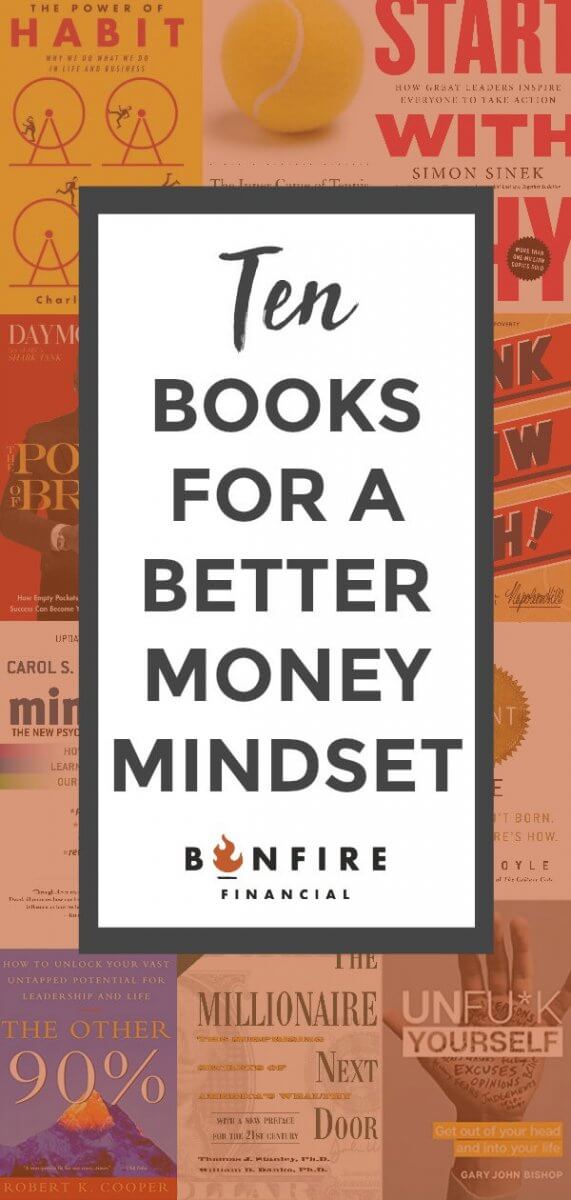
10 Books for a Better Money Mindset

10 Books for a Better Money Mindset

The list of personal finance and investing books is pretty extensive. This is not that list. While those books can be helpful, many get very technical, and if your mindset isn’t in the right place to take in that knowledge, what is the point?  Plus, technical knowledge alone won’t lead you towards a wealthy and rich life (financial or otherwise). A lot of what holds people back from success are their thoughts and beliefs about money. 


What stories do you tell yourself about money?

For some, and as society has come to reinforce, is that money is the root of all evil, or that rich people are greedy, or some other negative belief along those lines. Living with a negative or scarce mindset will never lead you to a positive or abundant life. In fact, research shows that one of the BEST predictors of success in life is one’s mindset.

Get your mind right, get your life right!

So then, what is this list? This is a list of books for a better money mindset.  Some talk specifically about money, others don’t, but all should spark something in your mind and help you view the world, and your money in a different and more positive way.  Let’s get to it!

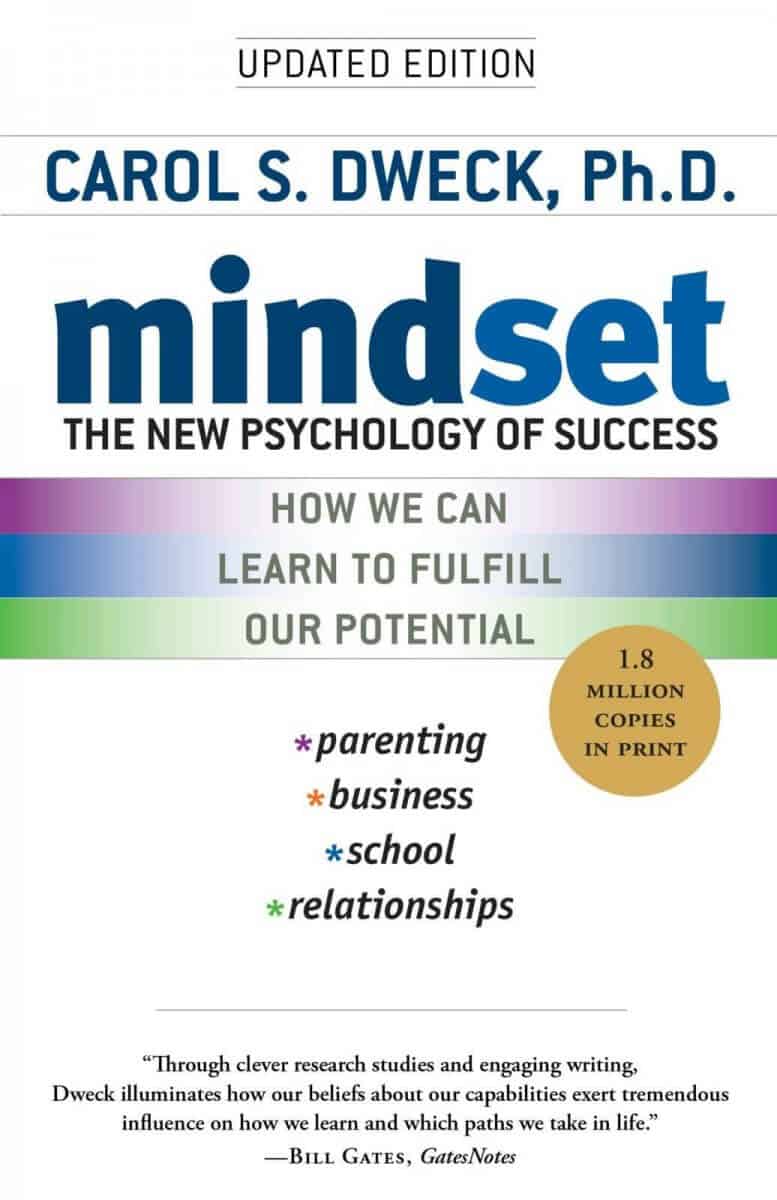
1. Mindset by Carol Dweck

This is an obvious first choice because, well, this book is THE book about mindset.  There are decades of research behind this book that gets translated into specific, actionable, and tangible detail. Dweck has a very compelling view of why we should look differently at failure and learning. Further, this book helps you to evaluate if you are approaching your money from a fixed or growth perspective. There is a huge difference, which is why I recommend this book.

You can pick it up here.

Books for a Better Money Mindset


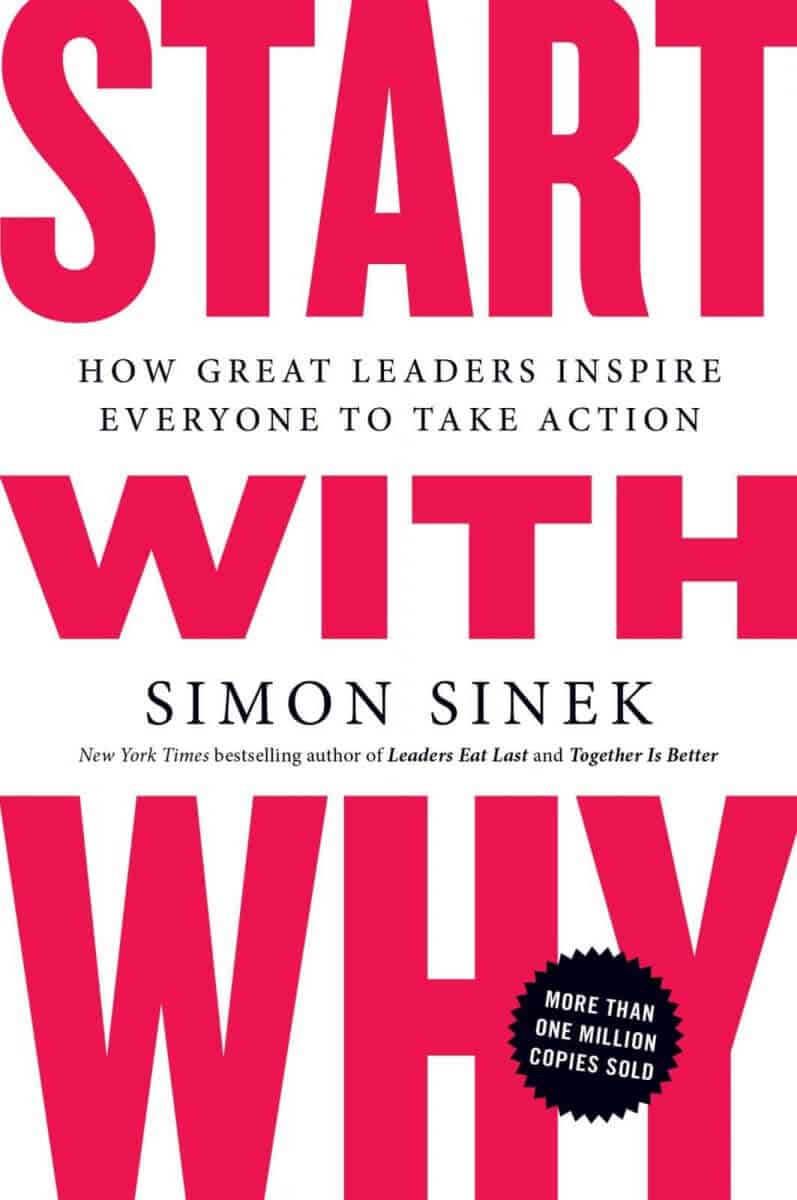
2. Start with Why by Simon Sinek

Simon Sinek is a genius when it comes to getting to the heart of why you should do something, not how.  Why do you want more money? Certainly, it’s not to have more pieces of paper with dead Presidents on them laying around. Defining what is truly behind your financial goals will help propel you in the right direction. You will discover that money is never really the WHY.

The book is here (or audiobook). Sinek also has a powerful TED Talk around this concept as well.


Books for a Better Money Mindset


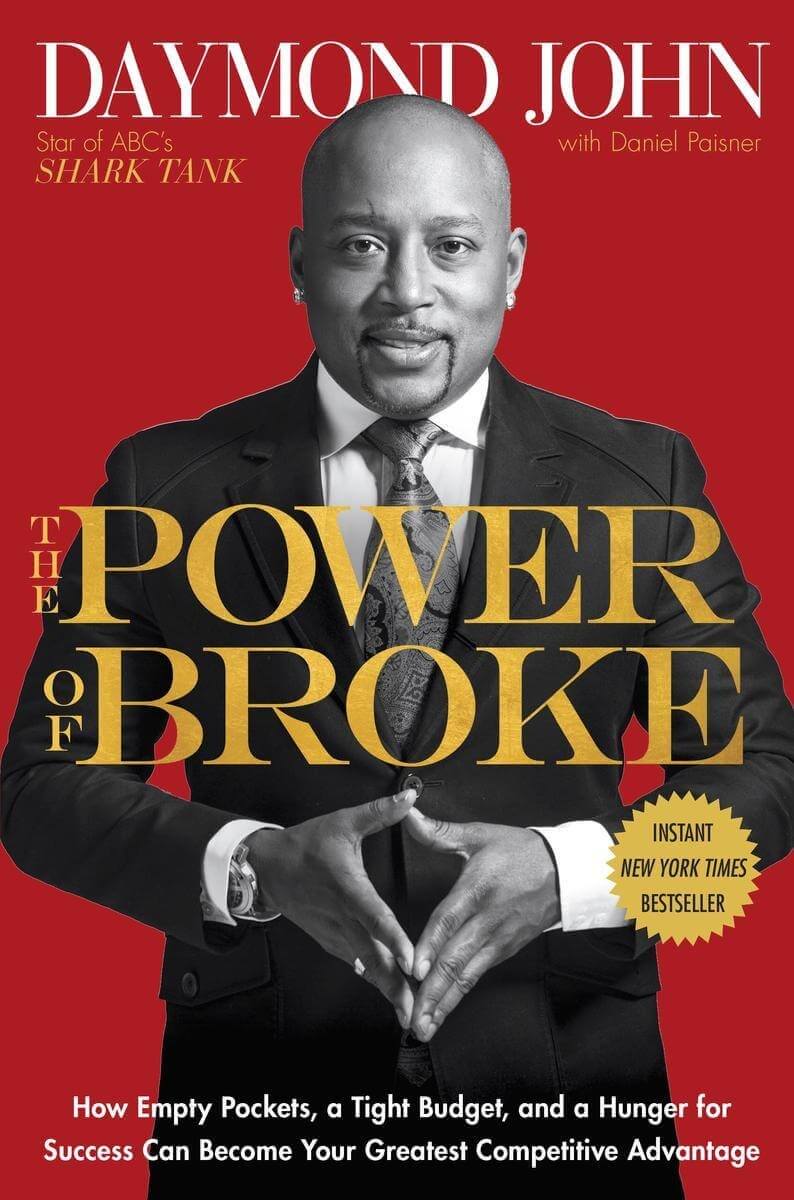
3. The Power of Broke by Daymond John

Shark Tank investor and entrepreneur Daymond John was broke with a $40 budget when he was starting his clothing brand FUBU, which today is a $6 billion brand. How is that for bootstrapping?! This book is great for putting money into perspective. It shows that it doesn’t always take money to make money (another disempowering colloquialism that society has)- the book has so many perfect examples of this. Use your lack of financial resources to your advantage. We also recommend this book to those well off because it can reignite a hustle you may have lost along the way.

This is a must-read for anyone- get it here or on audiobook.


Books for a Better Money Mindset


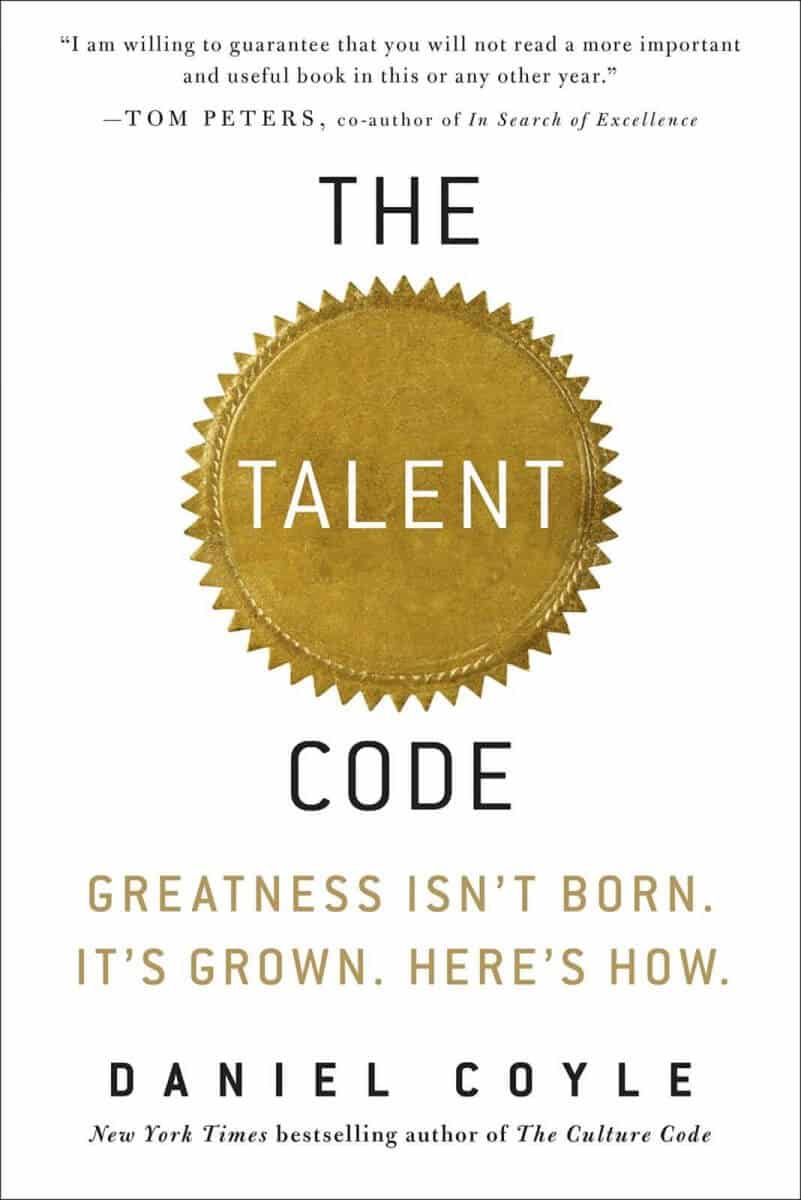
4. The Talent Code by Daniel Coyle

This book is grounded in science. It doesn’t skip straight to the “here’s how it works, go do that”, instead, it helps you understand what influences the development of your skills and as a result helps you become a better learner in all areas. This book has expanded my mind and it is another great perspective builder. There are practical stories and examples of the concepts. Above all, Coyle shows how all of us can achieve our full potential (and the best money mindset) if we set about training our brains in the right way.

Check it out here, or again on audiobook.


Books for a Better Money Mindset


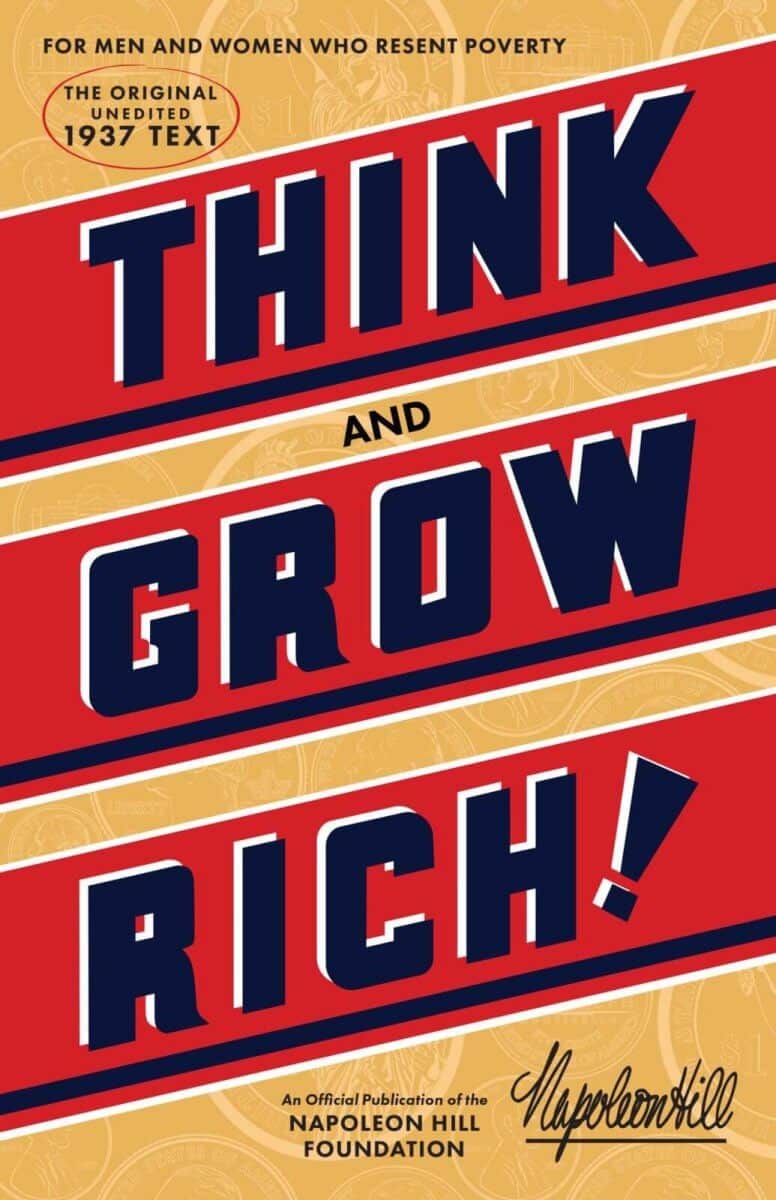
5. Think and Grow Rich by Napoleon Hill

This is a classic and one of those books I revisit at least once a year. It is that good. If you haven’t read it, stop what you are doing and read it already.  In fact, I believe this should be required reading for high school students. In the book, Napoleon Hill recounts his research of more than 500 self-made millionaires (keep in mind the book was originally published in 1937) and then he boils down the “secret” to building wealth into 13 principles and reveals “major causes of failure” that hold many of us back from getting rich. This should really be on every list of books for a better money mindset, or self-improvement book list in general.

If you haven’t read it, do yourself a favor and pick up a copy today. Get one for yourself and two more as gifts for a recent grad.


Books for a Better Money Mindset


6. The Inner Game of Tennis by W. Timothy Gallwey 

I had to convince my wife to read this because she isn’t a huge Tennis fan, she read it and loved it. So, if you are not a  big Tennis Fan either, simply ignore the title and read on.  This book is about how to master your inner dialog. The inner game of tennis theory states that two opposing mindsets are always battling. The first, the “teller” mind which is filled with self-judgments and criticism. This mindset wants to over-control your performance.  The second “doer” mindset is the best mindset for peak performance and happens when you are free and react with your game. You must master both.  Again, master your mind- master your money.

Definitely worth a read. You can pick it up here.


Books for a Better Money Mindset

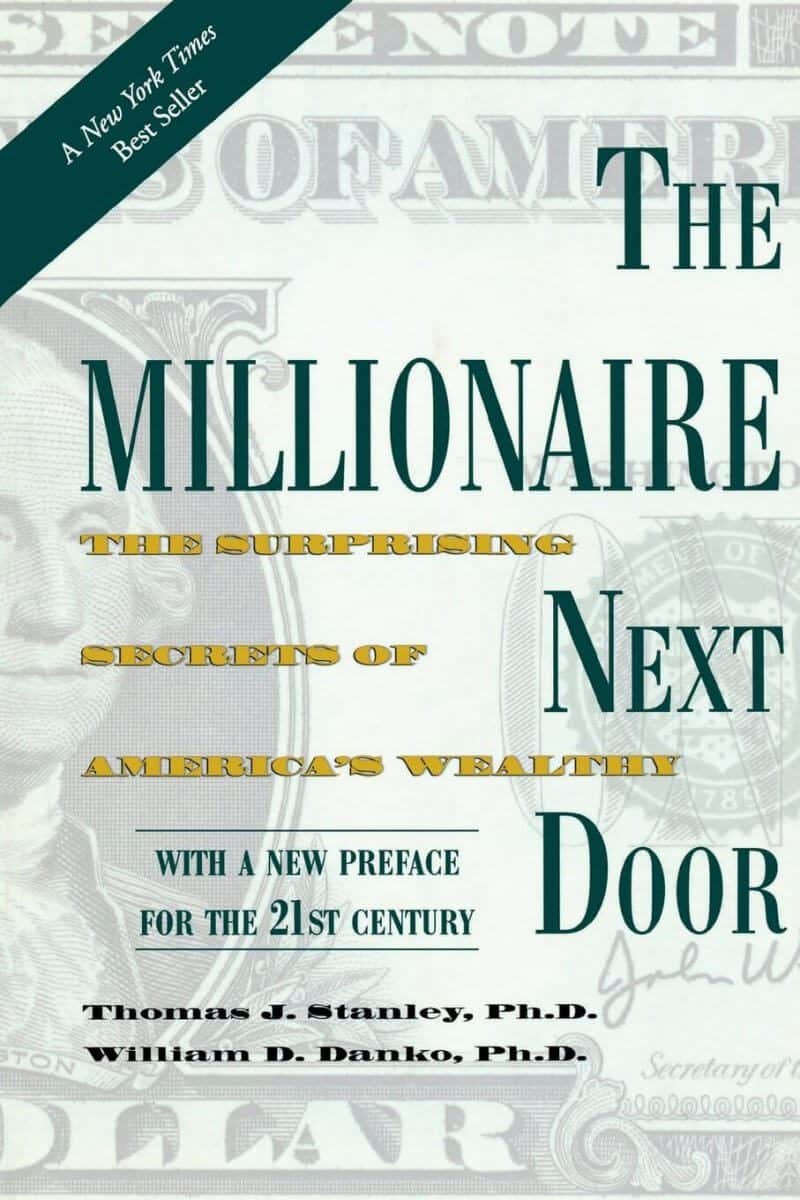
7. The Millionaire Next Door by Thomas J. Stanley Ph.D.

This book examines the lives of unlikely, unexpected millionaires. It goes into the habits, careers, and relationships that shape these people. Some of the material is dated to the 90’s but the concept is still applicable today- especially the principle that wealth is more common than you would think, actually it that might be even more relevant today. There is lots of practical advice in this classic book and one worth checking out.

Available in paperback or audiobook.

Books for a Better Money Mindset


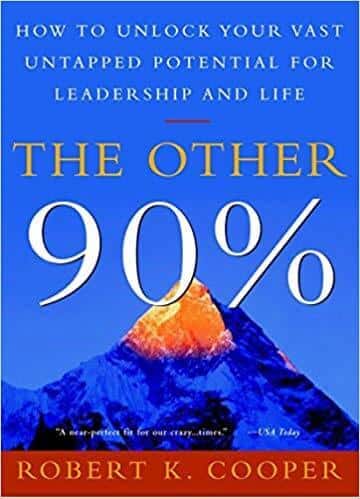
8. The Other 90% by Robert K. Cooper

I believe there are two main problems with the majority of self-help and leadership books. First, the vast majority of self-improvement books don’t seem to challenge conventional thinking in any meaningful way, nor do they bring about fresh insights. Second, they tend to offer oversimplified platitudes about success. The other 90% goes in the opposite direction.  Dr. Robert Cooper, a neuroscience pioneer, urges us to take a radically different view of human capacity. We are mostly unused potential, he says, employing less than 10 percent of our brilliance or hidden talents. This book provides action steps to develop your full potential in all areas of your life.


Books for a Better Money Mindset


9. Unfu*k Yourself by Gary John Bishop

I love this book because it offers a no-BS, tough-love approach to help you move past self-imposed limitations. It is a great alternative to cozy, everything is rainbows, self-help books. Beyond the catchy title, it offers practical insights on fostering the will for change, changing your language to serve you, and overcoming analysis paralysis. It drives home the point, quite bluntly, that you currently have the life (and the money mindset) that you are willing to put up with. It is certainly a refreshing read and why it made our list of books for a better money mindset.

Pick up the paperback or audiobook here.


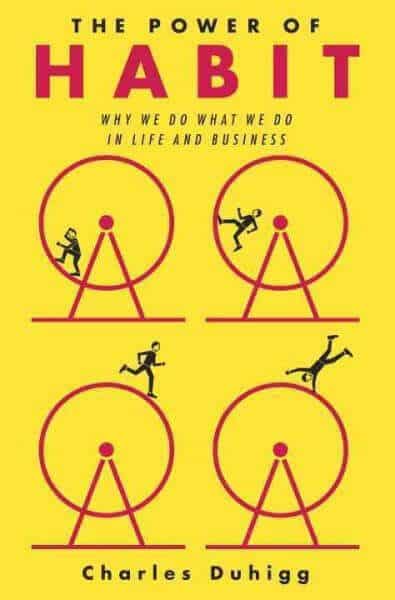
10. The Power of Habit by Charles Duhigg

Habits around money can either be the most empowering or the most detrimental. This book walks you through everything you need to know about breaking and forming habits that will transform your life, and of course your money mindset. This book is a fascinating account of recent research into habits and worth the time to read it. What cues some of your current money habits? What rewards do you have in place for your good habits? Do you have a plan in place to create better habits around money? This book dives into it all. Change might not be fast and it isn’t always easy. But with time and effort, almost any habit can be reshaped.

The paperback or the audiobook is great!


The Power of Habit - Books for a Better Money Mindset


There you have it! Our top Ten Books for a Better Money Mindset. Have you read any of these already? Are there others you would add to the list? We hope you find value in these and that at least one resonates with you in a way that makes you want to intentionally improve your mindset,  because if you improve your mindset- you improve your life!


What’s next? 

Reading all these books is a great starting place to helping to develop a better money mindset, however, that’s not where it should end. We want to be by your side in your journey. Let’s talk! We offer free 30-minute consultation calls that can help get your questions answered and you pointed in the right direction towards your goals. Reach out to us to set up a call and use the link below for the time that works best for you!

Money Mindset Coach


Pin for later….

Books for a Better Money Mindset

Please note this post includes affiliate ad links -As an Amazon Associate, we earn from qualifying purchases.


Thank You For Your Subscription

You’re in! Thanks for subscribing to our monthly newsletter. We will be sending you market updates, financial insights and inspiring travel ideas soon but in the meantime check out our blog, join us on Instagram or pop over to Pinterest.

Your Appointment Request has been Received

Thank you for reaching out! We are excited to learn more about you. Someone from our team will be in touch shortly.

Sign up now

Join us around the fire for monthly market updates, financial insights and inspiring travel ideas.

.

Sign up now

Receive tips

Give us a call

(719) 394.3900
(844) 295.0069