The End of the Penny and What It Means for The Future of Money

The future of money is changing. The penny has officially met its end. For the first time since 1793, the United States minted its final one-cent coin. While the penny may be small, what it represents is anything but. The decision to stop producing the penny is a perfect example of how money changes, adapts, and evolves as society evolves. It is a reminder that the things we consider permanent are sometimes anything but.

Today we will explore what the death of the penny means, why it happened, and how this simple moment fits into a much larger story about the future of money.

If you care about what is happening with your money, how it might change over the coming years, and what steps you can take now to stay ahead, you are in the right place.

Listen Now: iTunes | Spotify | iHeartRadio | Amazon Music

RIP Penny:  What it means for the future of money

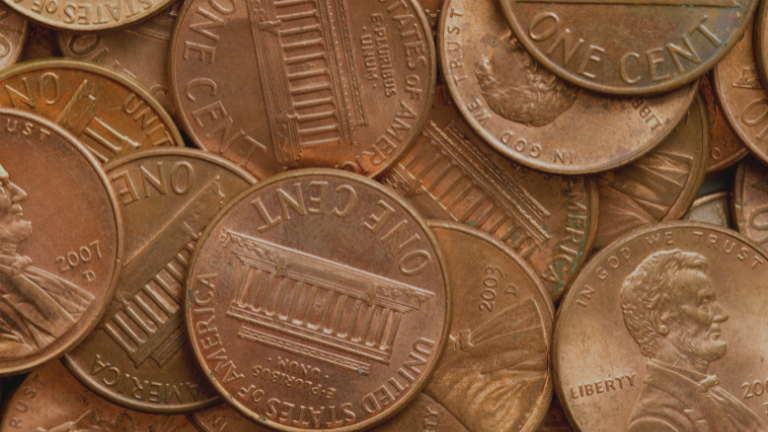
On November 12, 2025  the United States Mint produced the very last penny that will ever be stamped in America. For most people, this news might pass by without much thought. After all, how often do any of us use a penny anymore? You might have a few sitting in a junk drawer or rattling around in your car console. You might occasionally dump them into a Coinstar machine if you still keep a jar of change. But when is the last time you paid for something using pennies?

The truth is simple. The penny has stopped matching the world we live in.

Here are the key facts that led to its demise:

It costs more to make a penny than it is worth.

The United States government spent about four cents to create one penny. That is a losing proposition from every direction, especially in a world with rising national debt and rising costs of production.

Stopping penny production saves real money.

Estimates show that discontinuing the penny will save the government up to 56 million dollars annually. That is not a small number.

Its practical use is nearly zero.

Most Americans do not use pennies in everyday transactions. Retailers increasingly round to the nearest five cents. Cash payments are dropping. Digital transactions have taken over.

Inflation eliminated its buying power.

There was a time when a penny could buy something. There was a time when five or ten cents could get you into a movie theater. Today, a penny does not buy anything. Inflation has slowly erased its value.

All of this makes the penny a symbol. Its retirement is not just a cost cutting measure. It is a sign that money is changing and the systems around money are changing with it. It is the perfect starting point for a larger conversation about the future of money.

Looking Back: A Short History of the Penny and Why It Lasted So Long

The United States penny began in 1793. That means it survived through the birth of the country, the Civil War, the Industrial Revolution, the rise of automobiles, the invention of the internet, and countless cultural and technological shifts.

So why did the penny persist for so long?

Tradition

Americans love tradition. The penny is familiar. It reminds people of childhood piggy banks, luck, sayings, and small rituals like picking up a penny for good fortune.

Habit

Once a system is in place, it often stays in place simply because change is uncomfortable or inconvenient.

Sentiment

Abraham Lincoln sits on the face of the penny. There was resistance for decades from people who felt strongly about maintaining a coin representing such an influential historical figure.

Inertia

Government decisions are slow, and the process of adjusting currency systems takes time.

Despite all of that, the economics finally won. If something costs more to produce than it is worth, eventually the math forces the conversation. Inflation and rising material costs made this inevitable.

The penny had a long, respectable run, but the world moved faster than it could.

The Symbolism Behind the End: What It Reveals About the Future of Money

Removing the penny is not just a financial decision. It is a window into something much bigger. The future of money is not fixed. It is not stationary. It is evolving constantly, and we are in the middle of one of the biggest financial transitions in modern history.

Money has always changed forms:

• It started with bartering
• Then came precious metals
• Then came coins
• Then paper money
• Then checks and cards
• Then online banking
• Now digital payments
• And finally, digital assets and cryptocurrencies

The end of the penny is one more chapter in that story.

It signals a turning point. We are slowly leaving behind the age of physical currency. Coins and paper are becoming less central to everyday life. Cash is still useful in some situations, but most people rarely carry it.

Instead, most transactions happen through:

• Cards
• Phones
• Online platforms
• Digital wallets
• Bank transfers
• Crypto exchanges
• Peer to peer payment apps

The penny is disappearing because the world that required physical currency is disappearing with it.

Inflation, Value, and What a Penny Used to Mean

One reason the penny became irrelevant is inflation. In 1910, a penny could buy something. In 1940, a handful of pennies could buy a soda. In 1960, kids bought candy with pennies. But each decade pushed the buying power of one cent lower and lower.

Inflation is a slow, sometimes invisible force. It pushes the cost of everything upward and pushes the purchasing power of currency downward.

The penny is a real world example, visible to everyone, of what inflation does over time. As money changes, as prices move, and as society advances, currency must adapt.

This idea is central to understanding the future of money.

  • Inflation forces evolution.
  • Technology accelerates evolution.
  • Consumer behavior seals it.

The penny became a victim of all three.

The Real Cost of Creating Money and Why Efficiency Matters

Most people never think about the cost of producing currency. It feels like something that simply exists. But physical money requires real materials, real labor, and real energy. Coins require metal and manufacturing. Paper money requires printing and distribution.

When the cost of creating a unit of currency exceeds its value, a problem emerges. The penny is the clearest example of that economic mismatch.

For decades, economists pointed out how wasteful the penny was. Each year, millions of dollars were poured into production even though the coin contributed nothing useful to the economy.

Ending penny production is a perfect case study in financial efficiency. If something is not working, not useful, and unnecessarily expensive, it eventually needs to be removed.

This same logic applies when thinking about the evolution of digital money. Efficiency matters. That principle drives innovation in everything from payment systems to cryptocurrencies.

Rounding Up, Rounding Down, and Daily Life Without Pennies

Will daily life change without pennies? Probably not much.

Many other countries stopped using one cent coins and transitioned smoothly:

• Canada
• Australia
• New Zealand
• Several European countries

Retailers simply round up or down to the nearest five cents during cash transactions. Digital payments remain exact.

Studies show that rounding neither helps nor harms consumers overall. It averages out and becomes an invisible part of pricing.

The reality is simple. Most people will not even notice that pennies are gone.

The symbolic meaning, however, is noticeable. It is one more reminder that we are quietly moving into a new era of money. The future of money is becoming lighter, faster, and more digital.

From Silver Coins to Clipped Edges: A Story of Money Changing Throughout History

Before the penny became too expensive to produce, there were other times in history when money had to evolve.

For example, certain coins have ridges along the edges. These ridges were originally created to prevent people from clipping off small pieces of precious metal. When coins were made from silver or gold, some people shaved tiny amounts off the edges, collected them, and still spent the full coin.

The ridges stopped that.

It is a small detail that reveals something important. Whenever money is valuable, people will find creative ways to manipulate it. Whenever money is vulnerable, systems must adapt.

Money never stays the same.

Coins were eventually made from cheaper materials. Paper money replaced large amounts of metal. Credit cards replaced wallets full of cash. Digital payments replaced checks. QR codes are replacing swipe machines.

Every major shift happened because something became inefficient or outdated. The penny is simply the next example.

The Digital Revolution: How Technology Is Redefining the Future of Money

The biggest force shaping the future of money is technology.

Technology made payments faster, simpler, safer, and more immediate. Today we can transfer money across the world in seconds. We can buy groceries without touching a keypad. We can invest without calling a broker. We can check account balances from our phone.

Here are the major digital shifts happening now:

1. Mobile wallets are becoming the standard.
Apple Pay, Google Pay, Samsung Pay. Millions of people no longer reach for a wallet at all.

2. Peer to peer payments are normal.
Zelle, Venmo, Cash App. Splitting dinner bills has never been easier.

3. Online banking has taken over.
Branches are closing because the demand simply is not there.

4. Cards are becoming contactless.
Tap to pay is now more common than inserting a chip.

5. International transfers are cheaper and faster.
Digital platforms outperform banks.

6. Cryptocurrencies introduced a new model of value exchange.
Bitcoin created a decentralized store of value. Stablecoins introduced digital currency that can mimic the dollar.

7. Businesses accept digital payments automatically.
Whether you are paying rent, buying a coffee, or ordering from Amazon, you rarely use cash.

All of this leads to one conclusion. The penny was not built for this world. Physical coins were not built for the pace of modern money. The future of money is digital because life is digital.

Bitcoin, Crypto, and Why They Matter in the Conversation About Money

You cannot talk about the evolution of money without talking about Bitcoin.

Bitcoin is not just a digital currency. It is a new way of thinking about value. It introduced the idea of currency that does not rely on a government, does not inflate endlessly, and cannot be counterfeited.

This does not mean every cryptocurrency has value. In fact, many are questionable. But Bitcoin introduced the idea of digital scarcity. It created a decentralized network where no government or company controls the system.

So what does Bitcoin have to do with the penny?

Both reveal the same truth. Money is always evolving. The penny shows how physical money is becoming outdated. Bitcoin shows where some parts of money may be heading next.

More people are becoming open to digital assets. Large institutions are adopting Bitcoin as part of their investment strategy. Younger generations are growing up with digital payment systems instead of physical cash. In many ways, Bitcoin is not a futuristic idea anymore. It is part of the financial present.

For anyone thinking about the future, understanding Bitcoin is becoming essential.

Why the Dollar Is Not Backed by Gold and Why That Matters

For many decades, the United States dollar was backed by gold. That meant every dollar represented a specific amount of gold stored in a vault. In 1971, the United States ended the gold standard. From that point forward, the dollar became what is known as a fiat currency.

Fiat currency gets its value from the belief that the government guarantees it. The dollar is worth one dollar simply because the United States says it is. This system works, but it also means the government can print more money in response to economic needs.

Printing more money can help during recessions, stimulate the economy, and fund government programs. But it also creates inflation, which reduces purchasing power over time.

This is another reason the penny lost value. Inflation gradually erased its buying power until it became useless.

Understanding this helps us understand why people are curious about digital currencies like Bitcoin. Bitcoin cannot be printed or inflated. There is a fixed supply, which is why people sometimes refer to it as digital gold. Whether Bitcoin becomes a permanent part of the financial system or not, it represents a pushback against inflation and an alternative to fiat currency systems.

This is one more element shaping the Future of Money.

How Financial Behavior Is Changing and What It Means for Your Wallet

Consumers are changing the way they interact with money. These changes have serious implications for the future.

Cash is fading.
Many people simply do not carry cash anymore.

People expect instant access.
Real time banking and instant transfers are becoming standard.

Consumers prefer automation.
Automatic bills, automatic savings, automatic investing.

People want transparency.
They want to know where their money is and how it is working for them.

Digital tools are improving literacy.
Apps that track spending, budgeting systems, and investment platforms have made financial education more accessible.

All of these trends push financial systems to evolve. The penny could not survive this new environment. Other parts of the financial world will evolve too. The Future of Money will be shaped by convenience, technology, and consumer expectations.

How Businesses Are Preparing for a Less Physical Future

Companies are deeply aware of the direction money is moving. The rise of digital payments has changed how retailers operate.

Here are the biggest shifts businesses are making:

• Installing tap to pay systems
• Reducing cash registers
• Increasing automated checkout
• Adding QR code payments
• Offering online payment portals
• Exploring blockchain based invoicing
• Reducing the cost of cash handling
• Rounding prices to eliminate coin dependency

These changes make commerce faster and more efficient. They also make the penny unnecessary.

Businesses will continue moving toward digital systems because digital systems cost less and function better.

The Fear of Change and Why New Money Systems Feel Scary

Most people are not afraid of losing the penny. But many people are uneasy about digital money, cryptocurrencies, and newer financial technologies.

This is normal.

History shows that anything unfamiliar creates discomfort. When credit cards were invented, people distrusted them. When online banking began, people worried it was unsafe. When mobile banking started, many questioned whether it would last.

Eventually these technologies became everyday life.

The Future of Money will follow the same pattern. At first it feels unfamiliar. Then it feels optional. Then it becomes normal. The key is to stay educated and stay aware. The more familiar something becomes, the less intimidating it feels.

What You Can Do Now: Preparing for the Future of Money

You do not need to become an expert in crypto or technology to prepare for the future. But you should become proactive.

Here are the most important steps you can take:

1. Update your financial tools.
Use banking apps, digital payment systems, and modern budgeting tools.

2. Understand inflation.
Know how inflation affects your money and long term savings.

3. Explore digital assets responsibly.
You do not need to invest in crypto, but you should understand it.

4. Diversify your investments.
A mix of assets prepares you for a changing financial landscape.

5. Review your long term plan.
The future will look different. Your plan should adapt.

6. Stay informed.
Financial literacy is your greatest asset in a changing world.

At Bonfire Financial, we believe the best way to approach the Future of Money is with clarity, confidence, and strategy. Our clients come to us because they want to stay ahead rather than be surprised later.

Final Thoughts: What the End of the Penny Teaches Us

The penny is a reminder that nothing in finance is permanent. The systems we use today will not be the systems we use forever. Money evolves because the world evolves.

The end of the penny teaches us three important lessons:

1. Efficiency always wins.
If something costs more than it is worth, it eventually disappears.

2. Technology is shaping the next era of money.
Digital systems are not the future. They are the present.

3. The best way to prepare is to stay educated.
Understanding how money works will always put you ahead.

As we move into a more digital world, the Future of Money will continue to unfold in ways that surprise us. Whether it is the rise of Bitcoin, the decline of coins and cash, or the growth of digital payment ecosystems, one thing is certain: change is happening.

The end of the penny is not the end of money. It is the beginning of the next chapter.

Bonfire Financial is here to guide you through every chapter with clarity, confidence, and customized planning that makes sense for your life.

>> If you are ready to understand what comes next and position yourself for the future, reach out and schedule a call with us today. The future is coming either way. It is better to walk into it prepared.


Decoding Bitcoin with Gerry Signorelli

iTunesSpotify | iHeartRadio | Amazon Music | Castbox 


Decoding Bitcoin with Gerry Signorelli

We often get asked what is Bitcoin all about by our clients, and for good reason. The landscape of cryptocurrency is riddled with terms like “blockchain,” “mining,” “nodes,” and “wallets,” which can be confusing and create a steep learning curve. The underlying technology, though revolutionary, is not always straightforward, leading to questions about how it operates, its value proposition, and its role in the financial ecosystem. 

Gerry Signorelli has immersed himself into the world of Bitcoin, having built and operated a significant Bitcoin mine and integrated the digital currency into his daily life for various purposes, from savings to international transactions.

We were grateful to have Gerry on the most recent episode of The Field Guide Podcast to break down what is Bitcoin. He shares his extensive experience with the cryptocurrency, provides insights on its advantages over other cryptocurrencies, and discusses the essential role of nodes in maintaining the network’s decentralization. Gerry also addresses common concerns about Bitcoin’s security and its future potential, offering a comprehensive view of how Bitcoin operates.

A Journey from Stable Coins to Mining

Gerry’s foray into the financial world began with a quest for a saving mechanism, leading him from the realm of stablecoins to the discovery of Bitcoin. Despite experimenting with other cryptocurrencies, Gerry found his home with the currency, drawn by its fundamental differences, use cases, and the depth of its structure compared to the fleeting allure of ‘shitcoins.’

Why Bitcoin Stands Out

Bitcoin’s appeal lies in its foundational principles – scarcity, decentralization, and the prevention of censorship. Unlike other cryptocurrencies, Bitcoin’s limited supply, coupled with its robust and decentralized verification process, establishes it as a more stable and reliable digital asset. Gerry articulates the journey of money throughout human history, positioning Bitcoin as the latest evolution in this continuum, offering a digital solution to age-old problems of currency debasement and lack of control over personal wealth.

The Intricacies of  Mining

Mining is not just a business for Gerry; it’s a crucial component of Bitcoin’s infrastructure. He delves into the complexities of Bitcoin mining, explaining how it serves as a mechanism for distribution and validation within the network. The process, while energy and capital-intensive, is vital for the creation of new Bitcoins and securing the network against potential attacks.

Understanding Bitcoin Transactions

Transactions in Bitcoin are more than mere financial exchanges; they signify the transfer of control over the digital asset. Gerry discusses how these transactions occur on the blockchain, ensuring transparency and security without the need for intermediary validation.

The Role of Nodes in Decentralization

Brian and Gerry dive into the importance of nodes in the ecosystem. These nodes, which any individual can run, are the backbone of Bitcoin’s decentralization, ensuring that the network remains secure and operates without centralized control. They allow for a democratic verification process that aligns with the ethos of Bitcoin – providing a system where everyone has a say in its operation.

Bitcoin’s Safety and Accessibility

Addressing concerns about Bitcoin’s safety, Gerry outlines the spectrum of ways one can own Bitcoin, from ETFs to cold wallets, each offering different levels of security and convenience. The decentralized nature of Bitcoin, coupled with the ability for individuals to run nodes, ensures that the system remains robust against potential threats.

The Future Outlook

Gerry envisions a bright future for Bitcoin, predicting a significant increase in its value as more people, institutions, and governments recognize its potential. He foresees a world where Bitcoin facilitates freedom of transaction, protects against inflation, and offers a new standard of financial autonomy.

In summary, Gerry Signorelli’s insights into Bitcoin present a compelling narrative of its potential to revolutionize our financial landscape. From its role in savings and transactions to its fundamental principles of scarcity and decentralization, it stands as a beacon of financial innovation in the digital age. As we navigate the complexities of our global economy, Bitcoin offers a promising alternative, challenging traditional financial systems and offering a new paradigm for money in our increasingly digital world.

We hope you enjoyed this episode! Have more questions about Bitcoin or digital currencies? Feel free to reach out to us with any questions!  Be sure to like, review, and subscribe wherever you listen!

Money Savings Secrets: Amazon Prime

MONEY SAVINGS SECRETS: AMAZON PRIME

Do you love saving money? Do you love Amazon? If you are anything like 50% of the U.S. population, we are guessing you do! A recent statistic showed that nearly half of U.S. households are Amazon Prime subscribers. While the free two-day shipping may be enough for many to sign up, Prime offers a ton of other money-saving benefits (many of which you may not know about). So we have rounded up our top money-saving secrets for Amazon Prime. We hope you and your wallet enjoy!

1. Save on Groceries:

All Prime members already get special in-store deals at Whole Foods, but they also now receive an extra 10% on sale items. Make sure you have the Whole Foods app downloaded and linked to your Amazon account for checkout.

2. Get free Books:

If your library card gets more of a workout than your ATM you will love this one. Prime members can download a free digital book every month, plus you can also borrow a book each month from Kindle Owner’s Lending Library. This perk is priceless, especially when it can be used to get these books.

3. Free Photo Storage:

This is one of our favorites! Prime Photos gives you unlimited photo storage- yes..unlimited! This is a great way to organize, store and share photos,  plus you can ditch any other service you have been paying for.

4. Earn Shopping Credits:

So you don’t really need your order in two days? Even better…select No-Rush Shipping and get discounts and rewards for future orders.

5. Free Music Streaming:

Prime members also get Prime Music which includes over 2 million songs. Create your own playlist and take your music with you- your membership gets your music on up to 10 devices.

6. Watch Free Movies and TV:

Prime Video is more commonly known but certainly still worth mentioning. You literally get thousands of free TV shows and movies, so ditch the Redbox and start saving. Plus their original shows are great (I mean, have you ever seen Jack Ryan?!) You’re welcome.

7. Free Magazines:

Travel + Leisure, Wired, Money, Good Housekeeping, and more…all free with your membership! These digital magazines are available through the Kindle app on any smartphone, tablet or computer.

8. Free Samples:

Amazon has a sample site that is a lot better than a cart battle at Costco. Some are free, some are not, but even if you pay for a sample you will get a credit towards a future purchase.

9. Get Exclusive Deals:

As a Prime Member, you get special deals and discounts. 25% off dog food, 50% off sunscreen- you name it- make sure to browse through member deals as they change often.

10. Get 2% Rewards with Amazon Reload:

Amazon Reload offers a 2% reward every time you reload your Amazon.com Gift Card balance.

Who knew Prime had so many perks?!

The question, however,  still remains- is the price year worth it? Analysts recently scrutinized all the perks that Prime membership now offers and estimated that it is worth $785 annually. We’d say that’s a deal!

Have you used any of these Amazon Prime Money Savings Secrets? Any we forgot? Not yet a Prime Member- not to worry, you can sign up here.

Spread the love- Be sure to share this post!


Amazon Prime Money Saving Tips

Please note this post includes affiliate ad links -As an Amazon Associate, we earn from qualifying purchases.

3 QUESTIONS TO ASK BEFORE MAKING ANY FINANCIAL DECISION

Questions to ask before making any financial decision


Whether it is hiring a financial advisor, picking a mutual fund, or refinancing your mortgage it is a good idea to ask a lot of questions when it comes to your money. However, if you only ask a few, here are our top 3 questions to ask before making any financial decision.

What is the investment philosophy?

Make sure to ask yourself if the investment makes sense to you. It may be great for 99% of the population but is it a fit for you and your current situation. Does it match up with your risk tolerance and timeline?  Really take the time to contemplate this.  Further, do you understand it? Or is it too complex? Understanding this will help move you forward in a meaningful way.

Do I trust the person giving the advice or offering the investment?

Simply put, what is your gut telling you about who is behind this. What is the person’s credibility and credentials? Was it your cousin Eddie spouting off a stock tip at the family reunion? Or a longtime friend and financial advisor who has been in the industry for years? It may seem like a no-brainer to ask this question, but it is sometimes easy to get caught up in the hype of the product and the potential returns.

A quick way to tell if an advisor truly has your best interest in mind is if they are CFP® (Certified Financial Planner)- learn more on that here, but in short, it means they are a true fiduciary and must have your best interest in mind regardless of commissions. Trust is so important; don’t take it lightly.

What is the downside risk, and can I afford it?

What can you stand to lose? Sure, look at what the potential of the investment is, but don’t ignore the risk. Make sure the amount you invest matches your risk tolerance. The old saying stands true here- “Don’t put all your eggs into one basket.”  Before you make an investment decision, know the risks.

Short and simple, those are the top 3 questions to ask before making any financial decision!

Are you considering an investment and aren’t sure if it is right for you? Asked these questions and are still unsure? We are here to help…just set up a call.


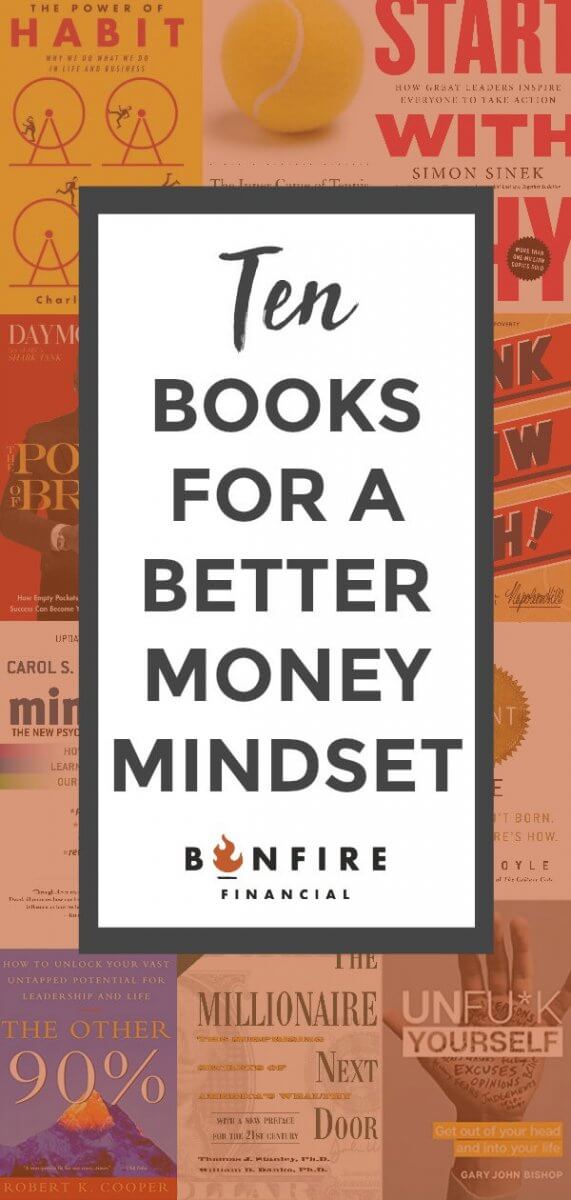
10 Books for a Better Money Mindset

10 Books for a Better Money Mindset

The list of personal finance and investing books is pretty extensive. This is not that list. While those books can be helpful, many get very technical, and if your mindset isn’t in the right place to take in that knowledge, what is the point?  Plus, technical knowledge alone won’t lead you towards a wealthy and rich life (financial or otherwise). A lot of what holds people back from success are their thoughts and beliefs about money. 


What stories do you tell yourself about money?

For some, and as society has come to reinforce, is that money is the root of all evil, or that rich people are greedy, or some other negative belief along those lines. Living with a negative or scarce mindset will never lead you to a positive or abundant life. In fact, research shows that one of the BEST predictors of success in life is one’s mindset.

Get your mind right, get your life right!

So then, what is this list? This is a list of books for a better money mindset.  Some talk specifically about money, others don’t, but all should spark something in your mind and help you view the world, and your money in a different and more positive way.  Let’s get to it!

1. Mindset by Carol Dweck

This is an obvious first choice because, well, this book is THE book about mindset.  There are decades of research behind this book that gets translated into specific, actionable, and tangible detail. Dweck has a very compelling view of why we should look differently at failure and learning. Further, this book helps you to evaluate if you are approaching your money from a fixed or growth perspective. There is a huge difference, which is why I recommend this book.

You can pick it up here.

Books for a Better Money Mindset


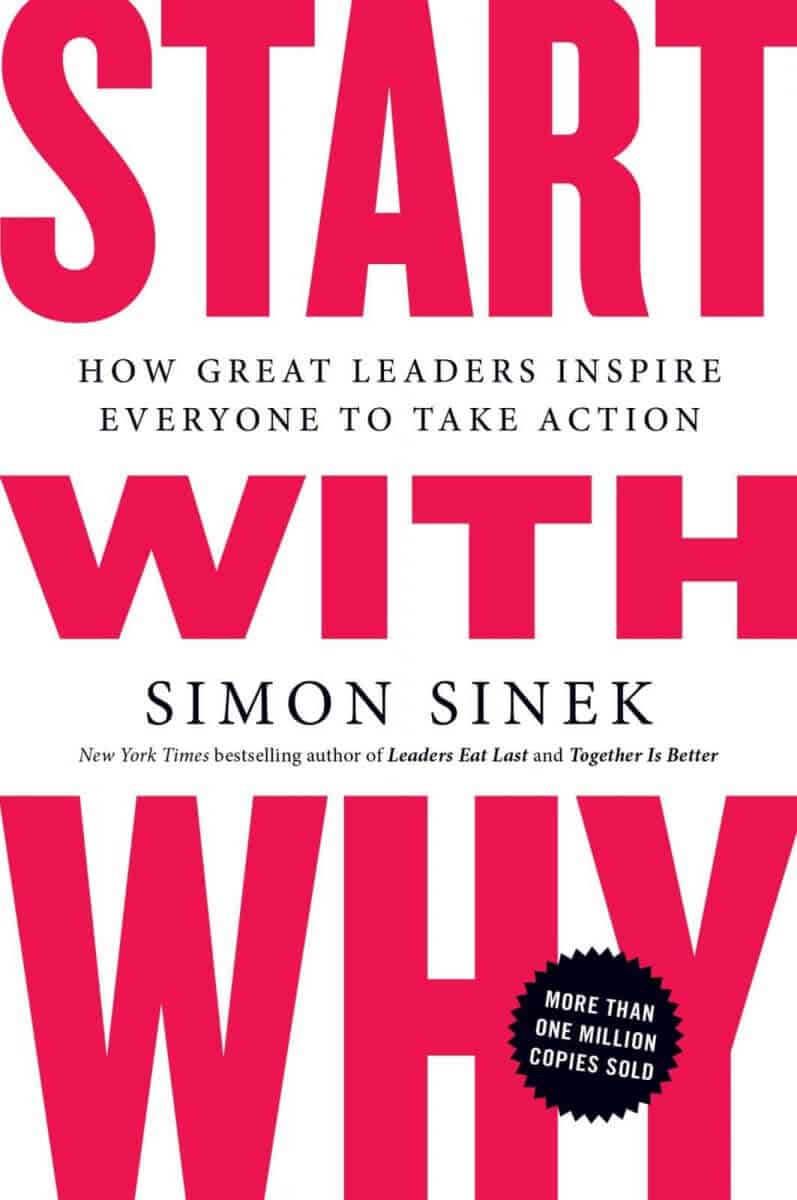
2. Start with Why by Simon Sinek

Simon Sinek is a genius when it comes to getting to the heart of why you should do something, not how.  Why do you want more money? Certainly, it’s not to have more pieces of paper with dead Presidents on them laying around. Defining what is truly behind your financial goals will help propel you in the right direction. You will discover that money is never really the WHY.

The book is here (or audiobook). Sinek also has a powerful TED Talk around this concept as well.


Books for a Better Money Mindset


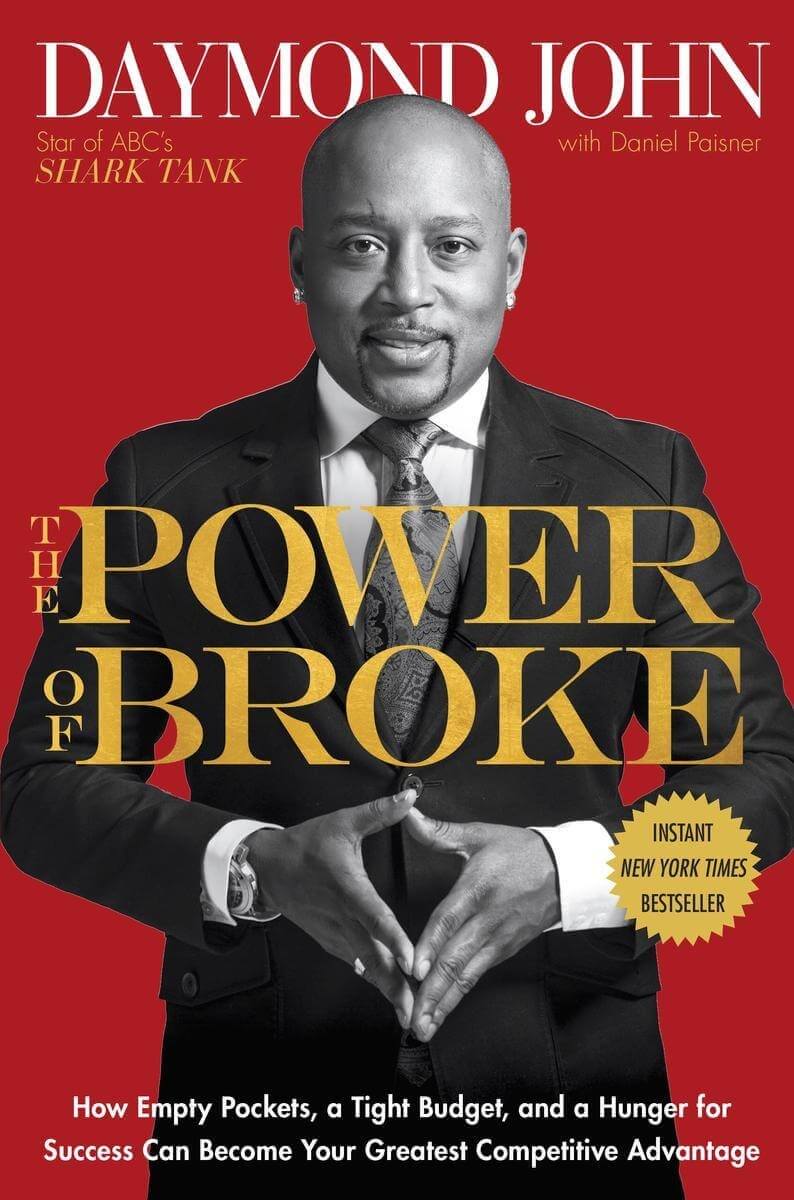
3. The Power of Broke by Daymond John

Shark Tank investor and entrepreneur Daymond John was broke with a $40 budget when he was starting his clothing brand FUBU, which today is a $6 billion brand. How is that for bootstrapping?! This book is great for putting money into perspective. It shows that it doesn’t always take money to make money (another disempowering colloquialism that society has)- the book has so many perfect examples of this. Use your lack of financial resources to your advantage. We also recommend this book to those well off because it can reignite a hustle you may have lost along the way.

This is a must-read for anyone- get it here or on audiobook.


Books for a Better Money Mindset


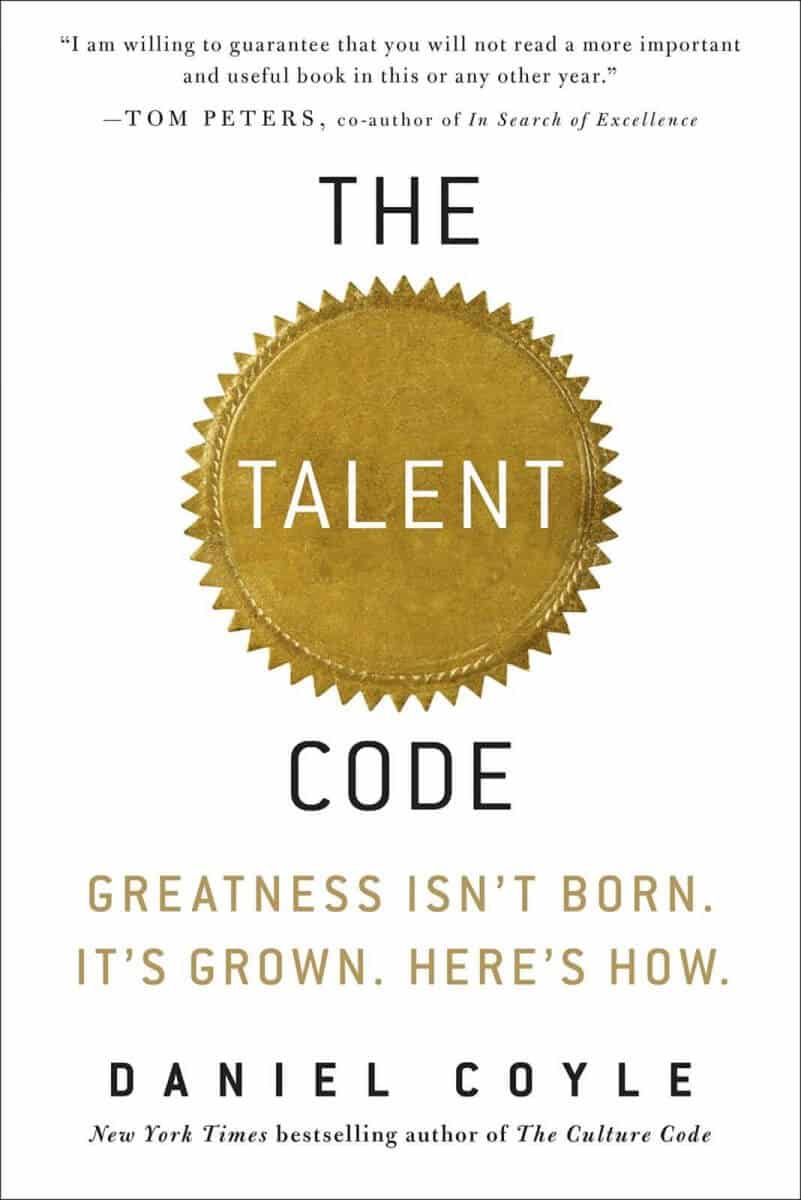
4. The Talent Code by Daniel Coyle

This book is grounded in science. It doesn’t skip straight to the “here’s how it works, go do that”, instead, it helps you understand what influences the development of your skills and as a result helps you become a better learner in all areas. This book has expanded my mind and it is another great perspective builder. There are practical stories and examples of the concepts. Above all, Coyle shows how all of us can achieve our full potential (and the best money mindset) if we set about training our brains in the right way.

Check it out here, or again on audiobook.


Books for a Better Money Mindset


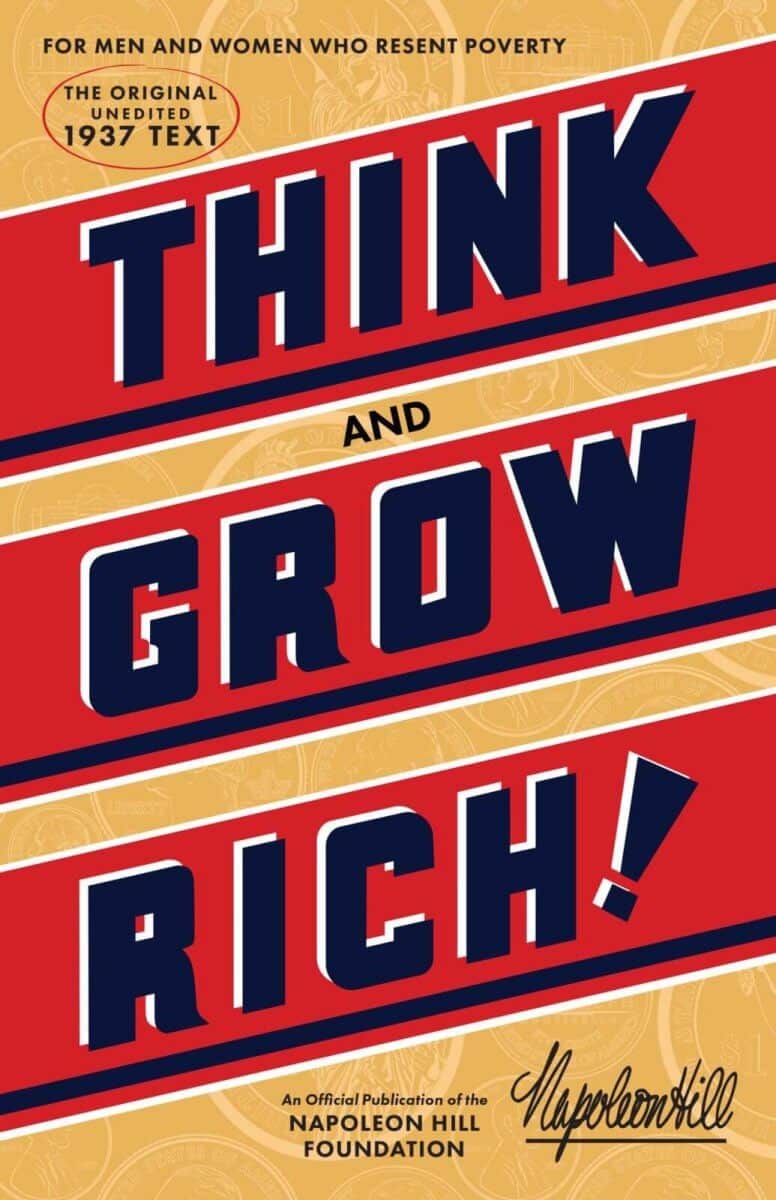
5. Think and Grow Rich by Napoleon Hill

This is a classic and one of those books I revisit at least once a year. It is that good. If you haven’t read it, stop what you are doing and read it already.  In fact, I believe this should be required reading for high school students. In the book, Napoleon Hill recounts his research of more than 500 self-made millionaires (keep in mind the book was originally published in 1937) and then he boils down the “secret” to building wealth into 13 principles and reveals “major causes of failure” that hold many of us back from getting rich. This should really be on every list of books for a better money mindset, or self-improvement book list in general.

If you haven’t read it, do yourself a favor and pick up a copy today. Get one for yourself and two more as gifts for a recent grad.


Books for a Better Money Mindset


6. The Inner Game of Tennis by W. Timothy Gallwey 

I had to convince my wife to read this because she isn’t a huge Tennis fan, she read it and loved it. So, if you are not a  big Tennis Fan either, simply ignore the title and read on.  This book is about how to master your inner dialog. The inner game of tennis theory states that two opposing mindsets are always battling. The first, the “teller” mind which is filled with self-judgments and criticism. This mindset wants to over-control your performance.  The second “doer” mindset is the best mindset for peak performance and happens when you are free and react with your game. You must master both.  Again, master your mind- master your money.

Definitely worth a read. You can pick it up here.


Books for a Better Money Mindset

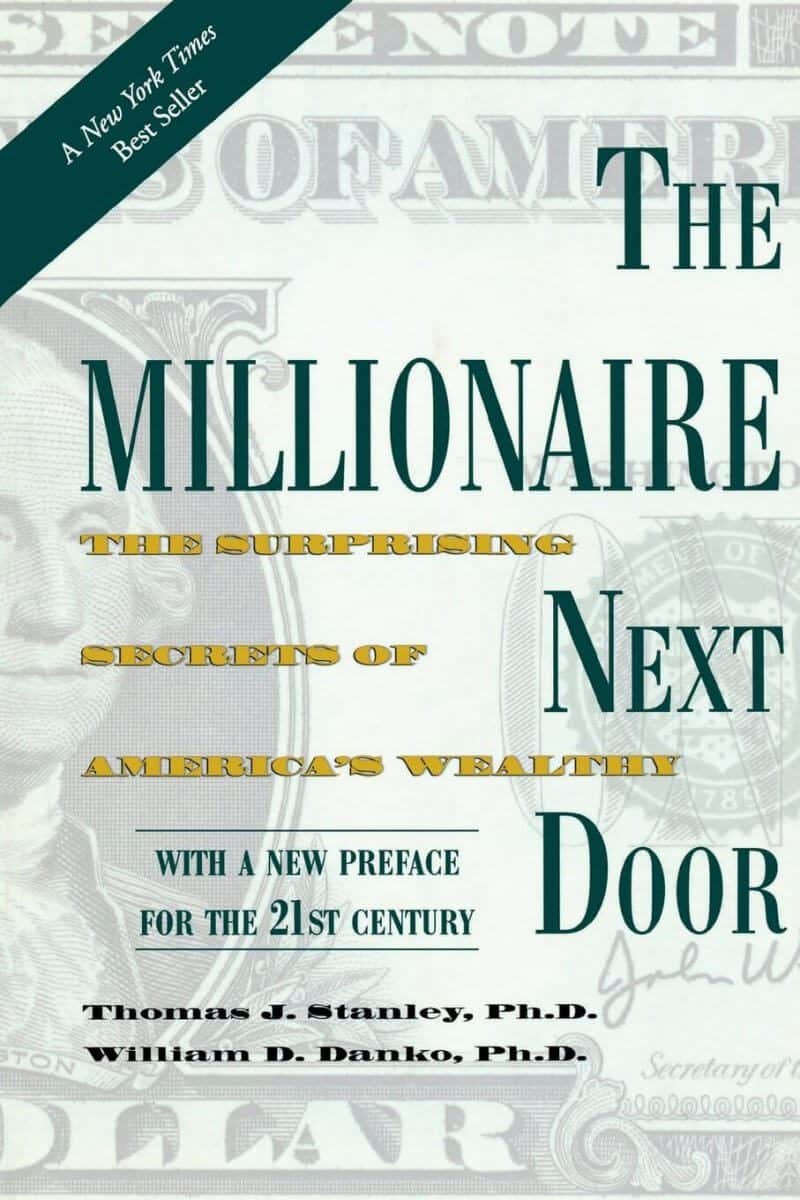
7. The Millionaire Next Door by Thomas J. Stanley Ph.D.

This book examines the lives of unlikely, unexpected millionaires. It goes into the habits, careers, and relationships that shape these people. Some of the material is dated to the 90’s but the concept is still applicable today- especially the principle that wealth is more common than you would think, actually it that might be even more relevant today. There is lots of practical advice in this classic book and one worth checking out.

Available in paperback or audiobook.

Books for a Better Money Mindset


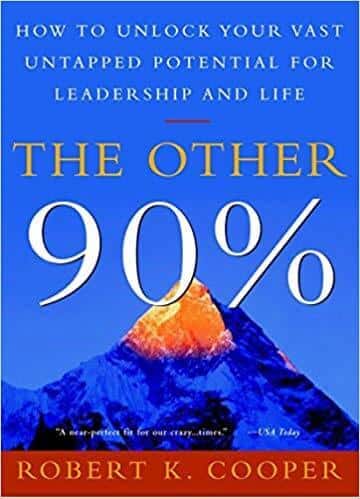
8. The Other 90% by Robert K. Cooper

I believe there are two main problems with the majority of self-help and leadership books. First, the vast majority of self-improvement books don’t seem to challenge conventional thinking in any meaningful way, nor do they bring about fresh insights. Second, they tend to offer oversimplified platitudes about success. The other 90% goes in the opposite direction.  Dr. Robert Cooper, a neuroscience pioneer, urges us to take a radically different view of human capacity. We are mostly unused potential, he says, employing less than 10 percent of our brilliance or hidden talents. This book provides action steps to develop your full potential in all areas of your life.


Books for a Better Money Mindset


9. Unfu*k Yourself by Gary John Bishop

I love this book because it offers a no-BS, tough-love approach to help you move past self-imposed limitations. It is a great alternative to cozy, everything is rainbows, self-help books. Beyond the catchy title, it offers practical insights on fostering the will for change, changing your language to serve you, and overcoming analysis paralysis. It drives home the point, quite bluntly, that you currently have the life (and the money mindset) that you are willing to put up with. It is certainly a refreshing read and why it made our list of books for a better money mindset.

Pick up the paperback or audiobook here.


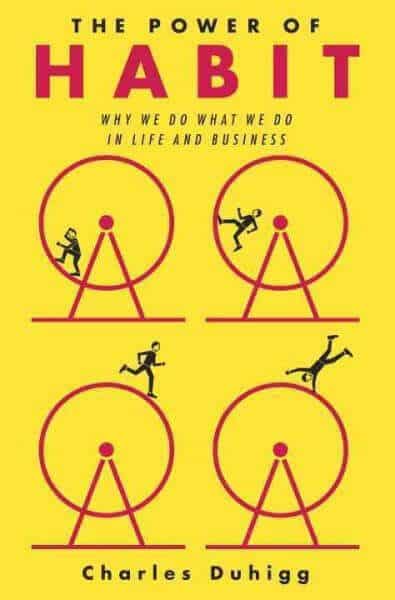
10. The Power of Habit by Charles Duhigg

Habits around money can either be the most empowering or the most detrimental. This book walks you through everything you need to know about breaking and forming habits that will transform your life, and of course your money mindset. This book is a fascinating account of recent research into habits and worth the time to read it. What cues some of your current money habits? What rewards do you have in place for your good habits? Do you have a plan in place to create better habits around money? This book dives into it all. Change might not be fast and it isn’t always easy. But with time and effort, almost any habit can be reshaped.

The paperback or the audiobook is great!


The Power of Habit - Books for a Better Money Mindset


There you have it! Our top Ten Books for a Better Money Mindset. Have you read any of these already? Are there others you would add to the list? We hope you find value in these and that at least one resonates with you in a way that makes you want to intentionally improve your mindset,  because if you improve your mindset- you improve your life!


What’s next? 

Reading all these books is a great starting place to helping to develop a better money mindset, however, that’s not where it should end. We want to be by your side in your journey. Let’s talk! We offer free 30-minute consultation calls that can help get your questions answered and you pointed in the right direction towards your goals. Reach out to us to set up a call and use the link below for the time that works best for you!

Money Mindset Coach


Pin for later….

Books for a Better Money Mindset

Please note this post includes affiliate ad links -As an Amazon Associate, we earn from qualifying purchases.


Thank You For Your Subscription

You’re in! Thanks for subscribing to our monthly newsletter. We will be sending you market updates, financial insights and inspiring travel ideas soon but in the meantime check out our blog, join us on Instagram or pop over to Pinterest.

Your Appointment Request has been Received

Thank you for reaching out! We are excited to learn more about you. Someone from our team will be in touch shortly.

Sign up now

Join us around the fire for monthly market updates, financial insights and inspiring travel ideas.

.

Sign up now

Receive tips

Give us a call

(719) 394.3900
(844) 295.0069